

 Auditorium
 Cafeteria
 Campus Shuttle
 Computer Labs
 Gym
 Hostel
 Medical
 Science Labs
 Sports Complex
 Study Library
Campus setting and built environment
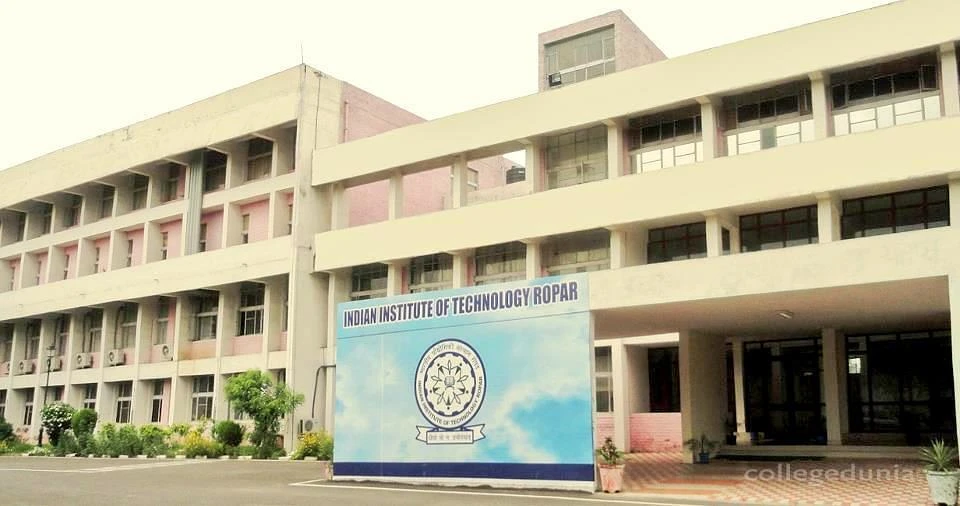
IIT Ropar’s permanent campus is in Rupnagar district, Punjab, near the Satluj River. Its official undergraduate brochure describes the permanent campus as 501 acres and reports a five-star GRIHA green-building rating. The campus-life page separately lists a built-up area of 215,739 square metres. These describe different measures, land area and built-up area, so they should not be compared as though one supersedes the other. UG brochure, 2025-26; Campus Life.
The setting is residential and smaller-city in character. Students who prefer a campus-centered academic and social routine may value the distance between institutional spaces and nearby town life. Applicants who expect frequent trips to a major city, daily off-campus internships or extensive public transit should plan around the actual travel distances and transport schedule rather than assuming the institute is within Chandigarh. Campus access details on the Institute website are reference distances, not travel-time guarantees.
Hostels, dining and health support
The campus-life page lists four boys’ hostels and three girls’ hostels, with dining areas and recreational rooms. The existence of hostels does not establish a room for every student, a particular room type, current occupancy, meal quality, menu, or hostel/mess price. Ask Student Affairs or the hostel office for the current allotment, room-sharing arrangement, accessibility provisions, check-in dates and billing schedule for your programme and intake. Do not treat a page’s facilities list as proof of an available bed.
IIT Ropar describes a medical centre providing 24/7 services and lists a counselling cell. These are useful support channels for a residential campus, but the published page does not specify the full clinical scope, emergency referral arrangement, specialist availability, appointment process, confidentiality terms or insurance coverage. A student with ongoing treatment or accessibility needs should ask the relevant office how to arrange care and what documents to bring before arriving. For an emergency plan, confirm local emergency contact procedures directly with the Institute.
The page also names cafeterias, a student activity centre, gymkhana, hostel gyms and sports spaces. This points to a range of student-life infrastructure, but actual availability, opening hours and booking rules can vary. Check the current student-affairs or facility notice before planning around a particular service.
Learning, recreation and student activities
The campus pages and UG brochure describe academic buildings, laboratories, research centres, a library and an IT centre, alongside sports fields and student activity areas. These facilities make a campus-based experience plausible, but a building list alone cannot answer whether a lab is open to first-year students, whether equipment requires faculty supervision, how project slots are allocated, or whether a particular team or club is accepting members. Ask the department about access for your programme and year, especially if a facility is central to your academic interests.
The Institute lists sports spaces for games such as cricket, football, tennis, badminton, basketball and volleyball, along with a student activity centre and recreational facilities. This offers a starting point for understanding campus options; it does not establish which activities are currently scheduled or the competition level. Prospective students should ask current student-affairs contacts about club onboarding, equipment access and hours if these are important to their decision.
A 501-acre campus can support a broad collection of academic and residential spaces, but the practical experience depends on where your classes, hostel and services are located and how the Institute provides transport around campus. Review the campus map and ask the programme office about daily travel between likely locations rather than inferring walking time from the headline acreage.
Arrival, transport and what to confirm
The campus-life page lists Rupnagar Railway Station about 8 km away, the Ropar New Bus Stand about 6 km away, Chandigarh airport about 56 km away and ISBT Sector 43 Chandigarh about 47 km away. These are useful planning references, not travel durations or a promise of an Institute shuttle. Verify the service timetable, local transport and campus-entry procedure for your own arrival date. If you are moving from far away, ask whether there is a new-student arrival window, luggage guidance or hostel check-in appointment for the relevant term. Campus Life.
Before accepting an offer, contact the appropriate office to confirm accommodation eligibility and availability, hostel and mess charges, medical-support procedures, accessibility arrangements, facility access and the transport options for students. The official campus pages are descriptive and do not provide a current room inventory or a comprehensive service-level schedule. These details may change by academic year. The available sources do not establish 2027-28 accommodation or service terms, so confirm them in the current notices and retain written responses where a specific arrangement matters.
Housing and daily logistics can be as important as the facilities themselves. Ask whether new students are assigned accommodation automatically or must complete a separate booking, when they can enter the hostel, which items are provided in a room, and how dining charges are assessed. The public description does not answer these questions, so confirm them in the current student instructions rather than planning around a room configuration or meal arrangement inferred from the hostel count.
For health support, ask what to do outside routine clinic hours, how emergencies are escalated, and whether students should register ongoing medication or accessibility needs before arrival. For recreation, check whether facilities require sign-up, equipment rental or a membership. For transport, verify whether student buses or shuttles operate, how often they run and whether they reach the station or airport at your arrival time. These questions turn a general facilities list into a practical move-in plan without assuming services that the published page does not promise.