
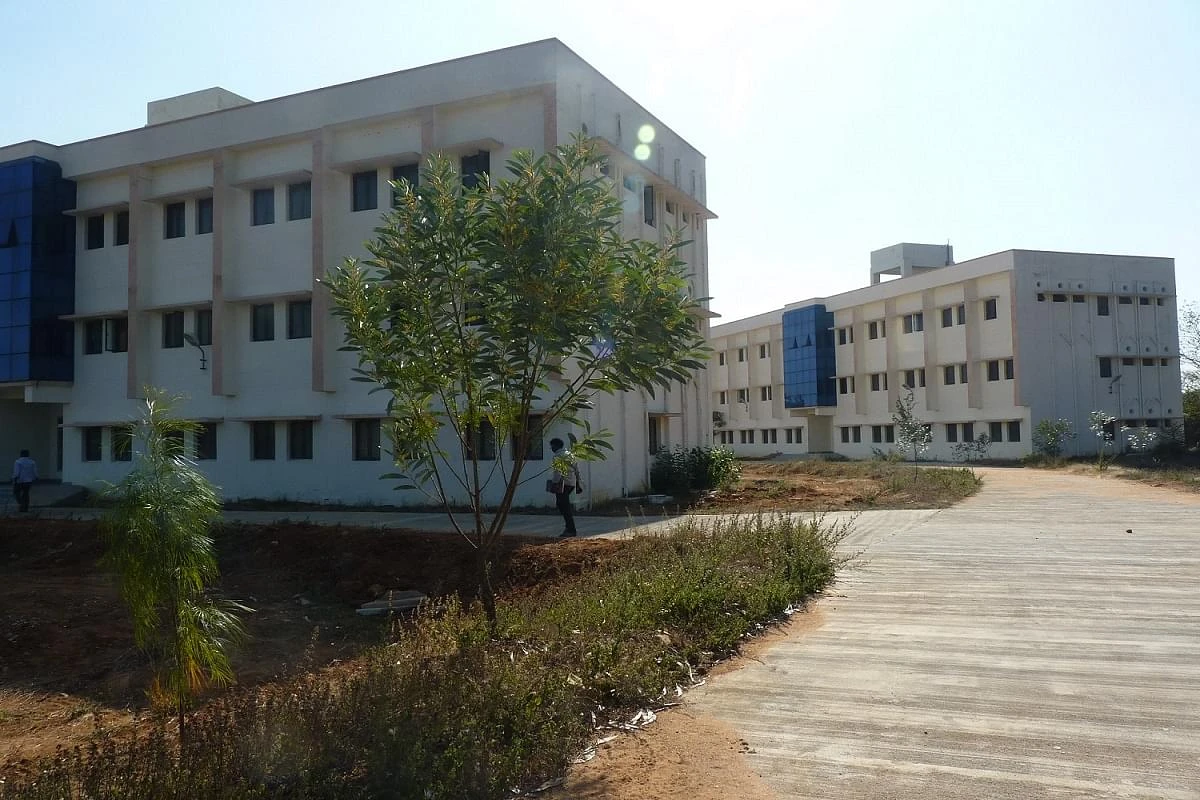

B.Tech support listed by IIT Tirupati
IIT Tirupati’s official scholarship page describes three institute-level B.Tech support routes: Merit-cum-Means (MCM), Institute Free Studentship and Institute SC/ST Scholarship. The conditions and benefit types differ, so applicants should identify the scheme before estimating affordability. The information below reflects the published institute policy located for this review; check the latest notice for current forms, deadlines, required certificates and payment conditions.
The institute states that MCM is available to up to 25% of admitted students and that Institute Free Studentship is available to up to 10%. Both descriptions set a parent annual income limit of ₹4.50 lakh and require at least 5.0 GPA in the previous semester for renewal. The MCM benefit includes ₹1,000 per month and tuition-fee exemption. Institute Free Studentship provides tuition-fee exemption. These are coverage caps and published scheme conditions. They do not mean that every eligible student receives an award, nor that support automatically covers hostel, dining, travel or all other charges.
The Institute SC/ST Scholarship description lists an ₹8,000 mess-charge rebate, exemption from hostel seat rent and a ₹250 monthly pocket allowance. It also states eligibility and renewal conditions. Applicants should read the current scheme page carefully to confirm whether each benefit applies to their circumstances, how category and income documents are checked, and which charges are covered. A general mention of a scheme is not enough to assume an award or a complete waiver of the semester bill.
Eligibility, application and renewal
The official page presents scheme-level eligibility, income and academic renewal conditions. Applicants should confirm the current entering-batch rules and whether the institute requires an application, a particular form, a certificate in a specified format, or submission through a central scholarship portal. The page’s availability does not establish the current application opening and closing dates. Those details should come from the latest official notice or the institute office responsible for scholarships.
For MCM and Institute Free Studentship, the published income limit is parent annual income of ₹4.50 lakh, and the stated renewal threshold is at least 5.0 GPA in the preceding semester. Treat these as conditions from the policy page, not as a substitute for checking the method used to calculate family income, eligible income certificate issuers, semester eligibility, academic standing exceptions or renewal process. Students should confirm whether they must reapply each term and which documents are required before the deadline.
The institute’s page lists separate support for SC/ST students, including mess rebate, hostel seat-rent exemption and pocket allowance. The applicable category certification and income or academic conditions must be checked in the latest policy. Applicants should not assume that support under one scheme can be combined with another or with a government award unless the rules expressly allow it. Ask the institute whether a student must select one route, how benefits interact with tuition concessions and when credits are applied.
Build a budget without assuming the award
Start with the current fee schedule for the student’s batch, category and semester. Keep tuition, examination and registration charges, hostel seat rent, dining, deposits and other costs separate. Then read the scholarship policy to see which line items are actually waived or reimbursed. IIT Tirupati’s January-June 2026 B.Tech schedule lists several category and income bands; a scholarship page does not update that fee schedule or make its amounts current for a future batch. Use the relevant year’s fee notice rather than multiplying one semester’s historic value across the degree.
Create two budgets: one using only confirmed fee concessions and one with any scholarship award still pending. Include travel, books, equipment and personal costs as well as institute charges. Ask about disbursement timing and whether students must first pay a charge that may later be reimbursed. Keep copies of certificates, application acknowledgements and renewal results. A benefit can make a material difference, but timing and eligibility details matter to cash flow.
If the family relies on aid to accept an offer, seek written confirmation from the institute about scheme eligibility, current deadlines, document requirements, award selection and coverage. Verify that the selected programme and applicant category are eligible, and ask what happens if income or academic conditions change. The published MCM and Free Studentship percentages are maximum coverage shares, not an individual probability or promise. Scheme terms can be revised, and the next academic year’s policy must be checked when released.
Applicant checklist
Before applying, identify the named scheme and save its current official policy. Confirm the applicant’s category, parent income calculation, required certificates, benefit amount, covered fee components and maximum coverage share. Check the previous-semester GPA condition if renewing, the deadline, application route, result date and whether further documentation may be requested. For the SC/ST route, check the stated mess, hostel and pocket-allowance terms separately.
Before final budgeting, obtain the current batch fee schedule and compare each charge against the scheme’s coverage. Do not count aid as awarded until the institute confirms it. Check how benefits interact with other scholarships and whether payment or reimbursement occurs before the fee deadline. This keeps the institute’s published support useful without treating a scheme description as a guaranteed financial package.