
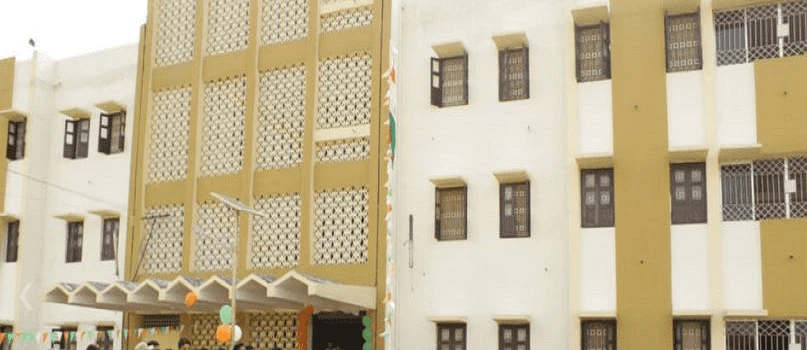

 Auditorium
 Cafeteria
 Computer Labs
 Medical
 Sports Complex
 Study Library
IIM Bodh Gaya campus facilities: what the sources show
IIM Bodh Gaya’s permanent campus is at Uruvela, Prabandh Vihar in Gaya, Bihar. The institute describes the campus as a purpose-designed academic setting and reports a 119-acre site. That figure describes the campus land area, not the amount of space available to each student. A dated annual report adds operational detail about hostels, dining, recreation and basic services; those items are identified below as 2023-24 reporting rather than silently treated as a current inventory.
For applicants, the most useful question is how study, housing and everyday services fit together. The campus page establishes the institution’s location and broad campus setting. The annual report offers a dated view of residential and student infrastructure. The library’s own page supplies more specific information about learning resources. These sources answer different questions and should not be collapsed into a single claim that every facility or service is continuously available in the same form today.
Before enrolling, confirm current room allocation, charges, access hours and service availability with the institute. A published campus description is not a room reservation, a guarantee of a particular hostel or a substitute for current programme instructions.
Learning resources and library access
The Pragyata Learning Resource Center is described by the institute library as a roughly 20,000-square-foot facility in the central academic building. The library page reports about 12,000 print books, 42 magazine subscriptions and five newspapers, alongside electronic resources. It lists 35 databases, approximately 250,000 e-books and about 26,000 e-journals. These numbers describe the library’s stated collection and subscriptions; they do not mean every title is available to every student off campus or that each resource can be used without licensing restrictions.
The library describes an automated hybrid RFID environment and air-conditioned space. For course preparation, the scale of the electronic collection may be as relevant as the physical room: students should check which databases match their course and whether remote access is available under current credentials. The library page, rather than a general campus brochure, is the useful source for collection details.
Collection counts can change with subscriptions and cataloguing. Treat them as the figures published by the library page when checked, not as a permanent guarantee. The institute should be asked about opening hours, borrowing limits, remote access and current subscription coverage for the intended academic year.
Residential and daily campus services
IIM Bodh Gaya’s 2023-24 annual report describes nine air-conditioned hostels with capacity for about 1,300 students, a central dining facility called Annapurna and additional dining areas. The same report lists services such as RO water, geysers, laundry, Wi-Fi or LAN, common rooms and generator support. This is a dated institutional snapshot, not proof of present room availability, a guaranteed single or shared room, or a promise that every listed service operates without interruption.
The report also describes medical support through Dhanvantari and basic campus healthcare. Students with a specific accessibility, health or dietary requirement should request current details directly; a general facility listing does not establish staffing, specialist care, service hours or individual accommodation. Ask the institute how to access the service, where to go after hours and what external facilities are used when needed.
Hostel capacity is a campus-wide figure in the report. It should not be divided by an assumed cohort size to infer room type or the probability of getting a place. Current allocations, deposits and hostel rules belong to the relevant admission-year instructions.
Recreation, sports and student life
The annual report’s 2023-24 infrastructure description includes a sports complex and recreation options such as table tennis, carrom, chess, basketball, volleyball and football. It also notes common rooms and student-led clubs and committees. These facilities and groups help explain the residential campus environment, but a list alone cannot establish current schedules, coaching, equipment condition, team selection or access rules. Students should check with the institute and current student bodies for active facilities and event calendars.
The institute’s student-clubs and committees page names representative bodies and campus groups. Such groups may help students organize events and community life; membership, office bearers and activities can change from year to year. They should be understood as part of campus participation, not as a fixed service entitlement or a substitute for formal academic and welfare support.
When comparing campuses, distinguish a reported facility from a student outcome. A basketball court or library database does not itself establish how often a student can use it, and a residential setting does not guarantee a particular social experience. Ask current students specific questions about access, maintenance and routine rather than relying on a brochure list.
What to verify before joining
The sources establish a permanent campus location, a library collection description and a 2023-24 institutional account of residential and recreational infrastructure. They do not establish today’s hostel vacancy, room assignment, current service hours, exact student-to-bed ratio, updated operating condition or all applicable charges. Those are the details to confirm before accepting an offer or planning a move.
Use the current admission communication to verify hostel eligibility, allocation, deposits and any separate mess or service charges. Ask the library about access hours, borrowing and remote database use. For medical, disability or dietary needs, request the current contact point and process rather than assuming a listed general facility covers the requirement. For sports and clubs, check which activities are active in the incoming year.
The annual report remains useful for understanding what the institute reported in 2023-24, while the official campus and library pages are the direct sources for their respective descriptions. Keeping the dates and scopes visible lets applicants use the detail without mistaking a historical campus inventory for a current service guarantee.