
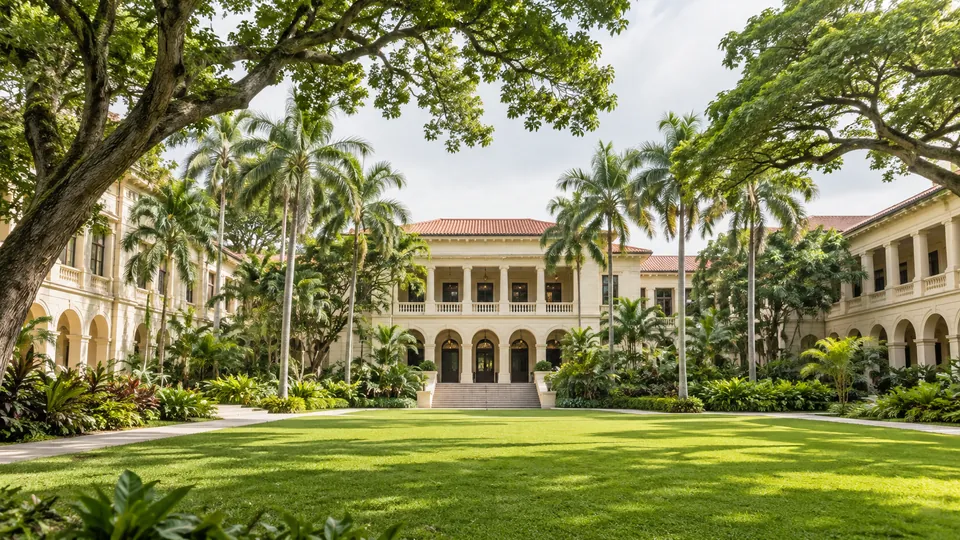

 Auditorium
 Cafeteria
 Campus Security
 Campus Shuttle
 Campus Wi-Fi
 Computer Labs
 Gym
 Hostel
 Medical
 Science Labs
 Sports Complex
 Study Library
What is documented at the Rohini campus
What is documented at the Rohini campus
JIMS Rohini’s official infrastructure page describes a campus near Rithala Metro Station in Delhi, with classrooms, separate management and information-technology libraries, an Info Tech Hub, conference rooms, two auditoriums, an amphitheatre, male and female hostels, a hostel dining area and a cafeteria. This gives applicants a concrete list to check against their routine: quiet study and journal access, reliable online work, spaces for group activity, meals and whether residential life is practical for their commute.
The page is an institutional description, not a room-by-room inventory or a service guarantee. It does not state library hours, seating or computer counts, current maintenance schedules, hostel capacity, current availability for PGDM students, meal plans, or which facilities are accessible to each programme. Treat the descriptions below as amenities JIMS lists, then confirm current access and availability during an admission visit or directly with the institute.
Classrooms, libraries and connected study
JIMS says its classrooms have air-conditioning, Wi-Fi and multimedia/audio-visual equipment. Those are relevant for applicants who expect presentations, group work and technology-supported teaching. The page does not specify whether every classroom has the same equipment, the reliability of campus Wi-Fi in each area or the room timetable; ask to see the PGDM teaching spaces rather than assuming the page describes every room uniformly.
The institute lists two libraries, separately serving management and information-technology programmes. It says they subscribe to national and international magazines, periodicals, journals and research papers, use software packages for journal access, and provide audio or multimedia versions of some course modules. For a management applicant, the useful distinction is access to both course material and research resources. JIMS does not publish the catalogue, subscription titles, borrowing limits, opening hours or off-campus database access in the page reviewed here, so those should be checked if research access is a deciding factor.
The Info Tech Hub is described as operating round the clock and connecting desktops, the campus Wi-Fi network, faculty offices, student labs and administrative units. JIMS lists an internet bandwidth of 500 Mbps for the institution. That is an institute-stated infrastructure figure, not a guaranteed personal speed at every seat or time. Applicants who need specialized software, high-throughput data access or late-night lab use should verify which systems are available to students and whether “round the clock” refers to the Hub itself or all linked facilities.
Spaces for presentations, events and student activity
JIMS lists conference rooms for interactive learning and says it has two auditoriums for larger events and visiting speakers. It also describes an amphitheatre used for cultural performances, interactive sessions and extracurricular activities. These venues can support presentations, talks and student-run events alongside classroom sessions. The page does not give seating capacity, booking rules or a current event calendar for each venue; avoid inferring that every event or class uses these spaces.
A practical way to assess fit is to ask how often PGDM students use the conference rooms and auditoriums, whether student clubs can reserve them, and what facilities are included for ordinary presentations. Applicants can also compare the official campus events calendar with their interests, but a past event demonstrates that an activity happened, not that it repeats on a fixed schedule.
Hostel, dining and food options
JIMS describes separate hostel facilities for male and female students, with rooms that have a window and balcony, and a dedicated dining area for hostel residents. The institute page says meals are provided in that dining area. It also lists a cafeteria and other food stops on campus that are accessible to students through the day. These are useful distinctions for students deciding between living on campus and commuting: hostel dining is described for residents, while the cafeteria/food stops are presented as available more broadly.
The separate hostel page quotes a double-occupancy fee for academic year 2026–27, so it should not be used as a confirmed 2027–28 price. Ask for the current room options, vacancy, meal schedule, dietary provision, security deposit/refund terms and whether the commute or hostel application must be arranged before accepting an offer. The infrastructure page does not establish whether hostel rooms are guaranteed or whether meals are bundled with the accommodation charge.
Location and what to verify before choosing
The institute says the Rohini campus is near Rithala Metro Station and accessible by public transport. That gives applicants a useful landmark, but the page does not supply a walking time, route accessibility details, first/last-mile transport or peak-hour journey estimates. If you plan to commute, test the trip from your likely home or transit interchange at the time you would attend class. If you plan to stay in the hostel, compare the confirmed annual cost and meal terms against the actual daily commute alternative.
For a 2027 intake, confirm that the facilities you need are currently operational and available to your programme: classroom technology, library opening/access rules, computer-lab availability, hostel places, dining coverage and transport arrangements. JIMS publishes a broad set of academic, collaborative and residential facilities, but several decision-critical operating details are not public in the pages reviewed. A campus visit and written answers from admissions or the relevant office will turn the amenity list into a usable plan.