Loading Admission Guardian content
Loading Admission Guardian content

Provisional score based on available data. It may change as more information is verified.
Selected ranking categories, with the recorded year beside each result. Open all records for the complete history.
18 published records · Lower numeric ranks are stronger
India Today
Engineering · public
#282022
Indiatoday
B.Tech · public
#302021
The Week
B.Tech
#872022
TOI
B.Tech
#232022
Find a program, read its fee details and explore the admission requirements.
Summary of the programs shown below. First-year fee. Check the note beside each amount for inclusions and exclusions.
| Course | Stream | Fees |
|---|---|---|
| Master of Computer Applications [M.C.A] | Computer Applications | 40398 |
| Bachelor of Technology [B.Tech] | Engineering | 88453 |
| Bachelor of Technology [B.Tech] {Lateral} | Engineering | 88453 |
| Master of Technology [M.Tech] | Engineering | 88993 |
All accepted exams
Eligibility: Graduation + MAH MCA CET
Specializations
All accepted exams
Eligibility: 10+2 with 50% + MHT CET
Specializations
All accepted exams
Eligibility: 10+3 with 50% + MHT CET
Specializations
All accepted exams
Eligibility: Pass in Graduation + GATE
2 exams with cutoff data available - showing recent entries
 BPCL (Refinery)
 Kirloskar Group of Companies
 Patel Engineering
 Quinstreet Software India P. Ltd.
 Rishabh Instruments
If you're looking for a government engineering college in Maharashtra that offers a solid return on investment, the Government College of Engineering, Karad (GCEK) is a name that consistently comes up. Established in 1960, this autonomous institute has built a reputation for its affordable fees and decent placements, particularly in IT and electronics. With an annual B.Tech tuition fee under INR 90,000 for general category students and an average placement package hovering around INR 6 LPA, it's a pragmatic choice for many. But it's not without its trade-offs. The campus, while sprawling over 40 acres, shows its age, and the experience can vary dramatically depending on whether you're in a high-demand branch like Information Technology or a traditional core field like Civil Engineering.
GCEK offers a standard set of engineering programs, but its autonomous status is a key differentiator. Granted by the UGC in 2015, this allows the institute to design its own curriculum and update syllabi more frequently than non-autonomous colleges tied strictly to university mandates. That's a significant advantage in fast-moving fields like IT and Computer Science.
The undergraduate lineup includes B.Tech programs in Civil, Mechanical, Electrical, Electronics & Telecommunication, and Information Technology. The IT department has an intake of 60 students and is often the most sought-after. There's also a B.Tech Lateral Entry pathway. For postgraduates, M.Tech specializations are available in Structural Engineering, Construction Management, Heat Power, Production, Power Systems, and Computer Science. A Master of Computer Applications (MCA) program rounds out the PG offerings.
On paper, the student-faculty ratio is an impressive 1:5, though the total faculty count is reported variably as 38 or 80. Student reviews often praise faculty helpfulness, rating their expertise at 3.52 out of 5. That's a decent score for a state-run institution. The college is also a recognized research center for Ph.D. programs in Mechanical and Civil Engineering, which adds some academic heft.
This is where the branch hierarchy becomes crystal clear. The college's official placement data for 2024-25 cites an average package of INR 5.93 LPA and a high of INR 18.6 LPA. Dig into the department-wise stats from 2023-24, however, and you see the real story. Information Technology led with a 79.1% placement rate. Electronics and Telecommunication managed 53.12%. The core branches—Civil (65.15%), Electrical (63.64%), and Mechanical (51.52%)—trailed significantly.
The placement cell maintains a long list of recruiters, heavily skewed towards IT and consulting. Top names include TCS, Infosys, Wipro, Capgemini, Deloitte, Persistent, and Accenture. For core engineering, you'll see names like Tata Power, Adani Power, Mercedes-Benz, Reliance, Godrej, Eaton, and KSB Pumps. The gap between the official 80-90% placement claim for IT and the 60-70% for core branches aligns with what alumni say online. Placement is almost a given for IT students, but for Mechanical or Civil, you'll need to hustle. About half the students secure internships, often through their own efforts.
So, the reality check? If you're in IT or EnTC, GCEK's placement record is strong for its fee bracket. If you're in a core branch, view the college as an affordable launchpad, but be prepared to rely more on off-campus drives, GATE, or higher studies to land a job.
The affordability is GCEK's strongest selling point. For the 2025-26 academic year, the total annual fee for a B.Tech open category student is approximately INR 85,457. This includes tuition and admission fees. Over four years, you're looking at a total cost of roughly INR 3.3 to 3.5 lakhs. For SC/ST students, fees can be as low as INR 4,000 per year.
Hostel and mess fees are extra but remain budget-friendly. The latest figures point to around INR 30,700 per year for boys and INR 27,100 for girls, inclusive of mess charges. Add in other mandatory fees like exam fees (INR 2,000), insurance, and alumni fees, and the total annual cost for a hostelite still remains under INR 1.2 lakhs.
The college itself doesn't offer direct scholarships. Instead, its office facilitates applications for a wide array of government schemes. These include the central AICTE scholarships (Pragati for girls, Saksham for specially-abled students), the Central Sector Scheme, and various Maharashtra state scholarships accessible via the MahaDBT portal. There's also a Tuition Fee Waiver Scheme (TFWS) for deserving students. It's paperwork, but the support system is in place to help you navigate it.
Admissions are strictly merit-based through the state's Centralized Admission Process (CAP). There's no management or NRI quota. For B.Tech, you need a valid score in either MHT-CET or JEE Main. Your final ranking in the CAP, based on these scores, determines your branch allotment.
Specific cutoff ranks for 2025 aren't pinned down, but the trend is predictable. Information Technology consistently commands the highest cutoff, followed by Electronics & Telecommunication, then Computer Science (offered under M.Tech), and then the core branches. Expect the IT cutoff percentile for MHT-CET to be significantly higher than for Civil or Mechanical. For M.Tech, a valid GATE score is required, and for MCA, the MAH MCA CET is the gateway.
The application process is online through the college's official website. The registration fee is around INR 1,000-1,200 for the general category. Deadlines are key; for the 2026 cycle, entrance exam-based course applications typically close in late April, with non-entrance courses extending to May.
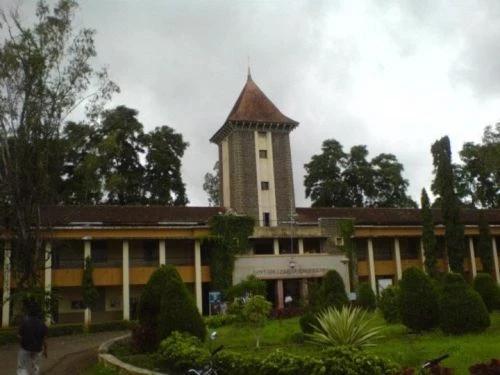
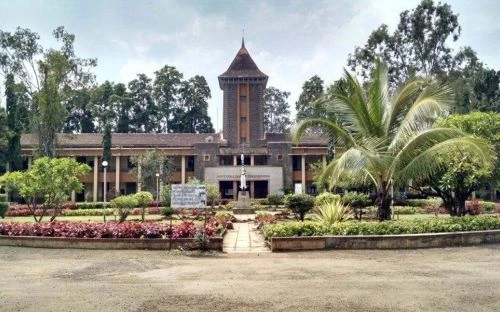
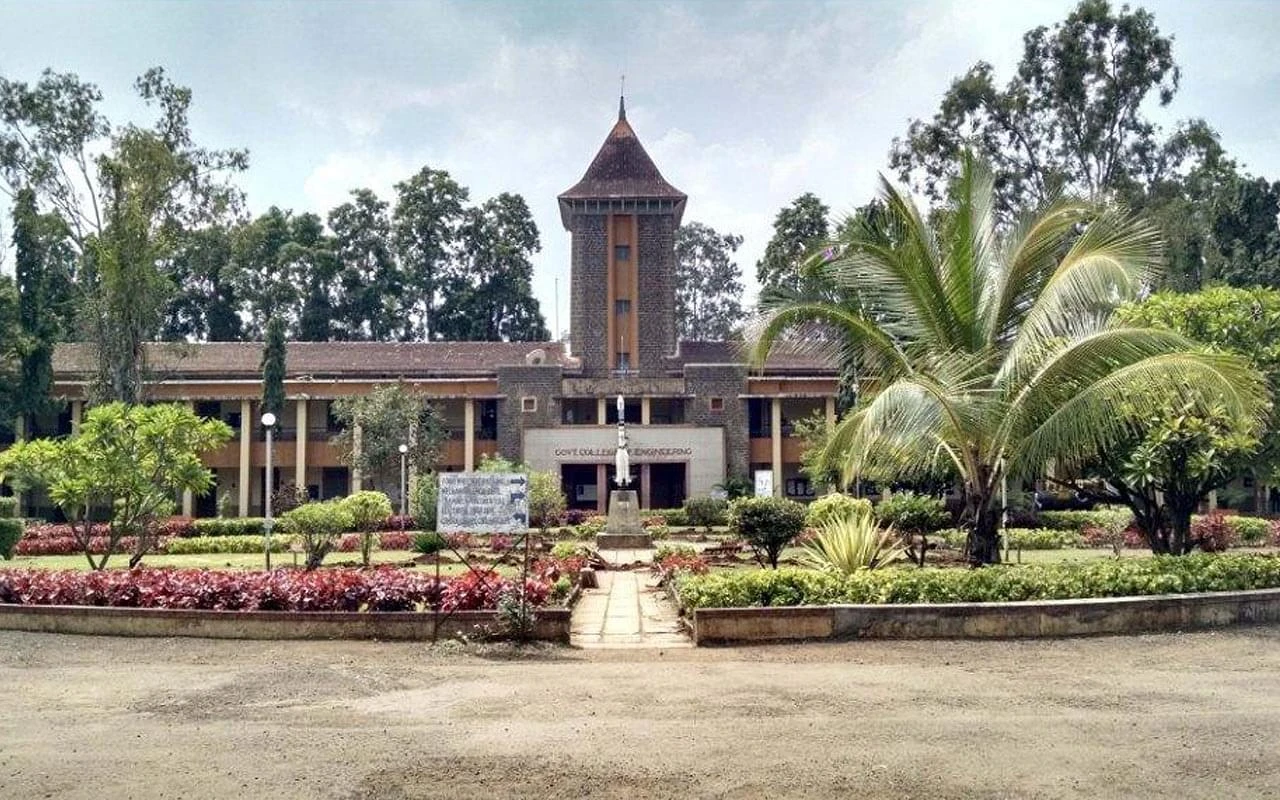
You get a lot of space—40 acres—but opinions on the infrastructure are split. The campus houses a heritage building, which adds character but also points to aging facilities. Student reviews frequently mention that the infrastructure is "very old" and in need of renovation. The academic labs, however, are generally well-equipped, and there's a push for modern IT infrastructure and planned innovation labs.
The library is a mixed bag. It boasts a large collection of over 56,000 books and thousands of e-resources. Yet, several students complain that it "lacks course subject books," suggesting a gap between the catalog and the practical needs of the curriculum.
Hostel life is rated positively. With capacity for 550 boys and 225 girls, the rooms are described as spacious and well-ventilated, furnished with a bed, study table, and wardrobe. Cleanliness is maintained. The mess and canteen food is labeled "average but hygienic." A notable negative is the medical facility, which multiple students have called "not sufficient" or simply "lacking."
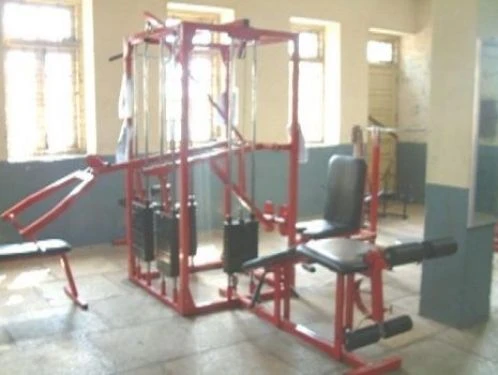
For extracurriculars, there's a foundation. The college has a large ground for cricket, football, and other sports, a gym, and an Open Air Theatre. An annual fest and 25 active clubs promise a vibrant calendar. But some students feel the college "does not encourage sports and other extracurricular activities" as much as it could, and the sports ground can be a letdown.
Wi-Fi is provided but with limits—2GB daily until midnight in hostels. It's functional, not generous.
Sifting through student sentiment paints a picture of a practical, no-frills institution. The positives are consistent: exceptional value for money, good faculty accessibility, a large and generally peaceful campus, and affordable, decent hostels. The placement performance in IT is a major draw.
The criticisms are just as consistent. The aging infrastructure tops the list. Language can be a barrier; Marathi dominates informal conversations among students and some staff, which can be isolating for those from outside Maharashtra. The shortage of specific books in the library and the poor medical facilities are repeated grievances.
On placements, students confirm the official narrative with nuance. They agree placements are "good for IT, EnTC, Electrical" but note that core branch opportunities are limited and often require looking beyond campus drives. The social life is what you make of it, with fests and clubs available but not overwhelmingly promoted.
GCEK Karad is a classic case of "you get what you pay for," and in this instance, that's not a bad thing. It's an excellent, budget-conscious choice for students targeting IT or electronics placements, where the ROI is clear and strong. The autonomous curriculum and decent faculty are significant perks.
However, think twice if you're passionate about pristine, modern campuses or are entering a core engineering branch with hopes of high-paying, on-campus core jobs. The infrastructure is dated, and core placement support is weaker. It's also best suited for students comfortable in a predominantly Marathi-speaking environment.
Ultimately, GCEK shines as a pragmatic stepping stone. It provides a reputable degree, crucial engineering fundamentals, and a low financial burden, freeing you to invest in additional skills, competitive exams, or higher studies. For the right student—one who is self-motivated and cost-aware—it's a very sensible launchpad for an engineering career.
In this preview: 5 photos · 0 videos
For the 2024-25 placement session, the average package at Government College of Engineering, Karad was INR 5.93 Lakhs Per Annum (LPA). The highest package offered was INR 18.6 LPA. It's important to note that placement performance varies significantly by branch, with IT and Electronics & Telecommunication departments typically securing higher averages and better placement rates compared to core engineering branches.
The approximate annual tuition fee for the B.Tech program for Open Category students at GCEK for the 2025-26 academic year is INR 85,457. This includes admission and tuition fees. Additional hostel and mess charges are approximately INR 30,700 per year for boys and INR 27,100 for girls. Fees for students from SC/ST categories can be as low as INR 4,000 per year.
Admission to the B.Tech program at GCEK Karad is based on scores from either the MHT-CET (Maharashtra Common Entrance Test) or JEE Main. Seats are allocated strictly through the state's Centralized Admission Process (CAP) based on merit, with no management quota available.
The hostel facilities at GCEK are generally rated positively by students. The campus has separate hostels for boys (capacity 550) and girls (capacity 225). Rooms are reported to be spacious, well-ventilated, and furnished with a bed, table, chair, and wardrobe. Cleanliness is maintained, and the food in the mess is considered average but hygienic. The fees are also considered affordable.
Placement percentages for core branches are lower than for IT-centric ones. Based on 2023-24 data, the placement rate for B.Tech in Mechanical Engineering was around 51.52%, and for Civil Engineering, it was approximately 65.15%. This contrasts with the Information Technology branch, which had a placement rate of 79.1%. Students in core branches often need to be more proactive in seeking opportunities through off-campus drives, GATE, or higher studies.
Share what future students should know about GCEK.
Student voices are not rewritten by colleges. We remove spam and abuse.
Wider admission question? Community PulseWhat should future students know?
Tell us which course you're considering. We'll help you work out the next step.
Get instant Partner access after mobile verification. Your public edits are reviewed before they go live.
Claim this college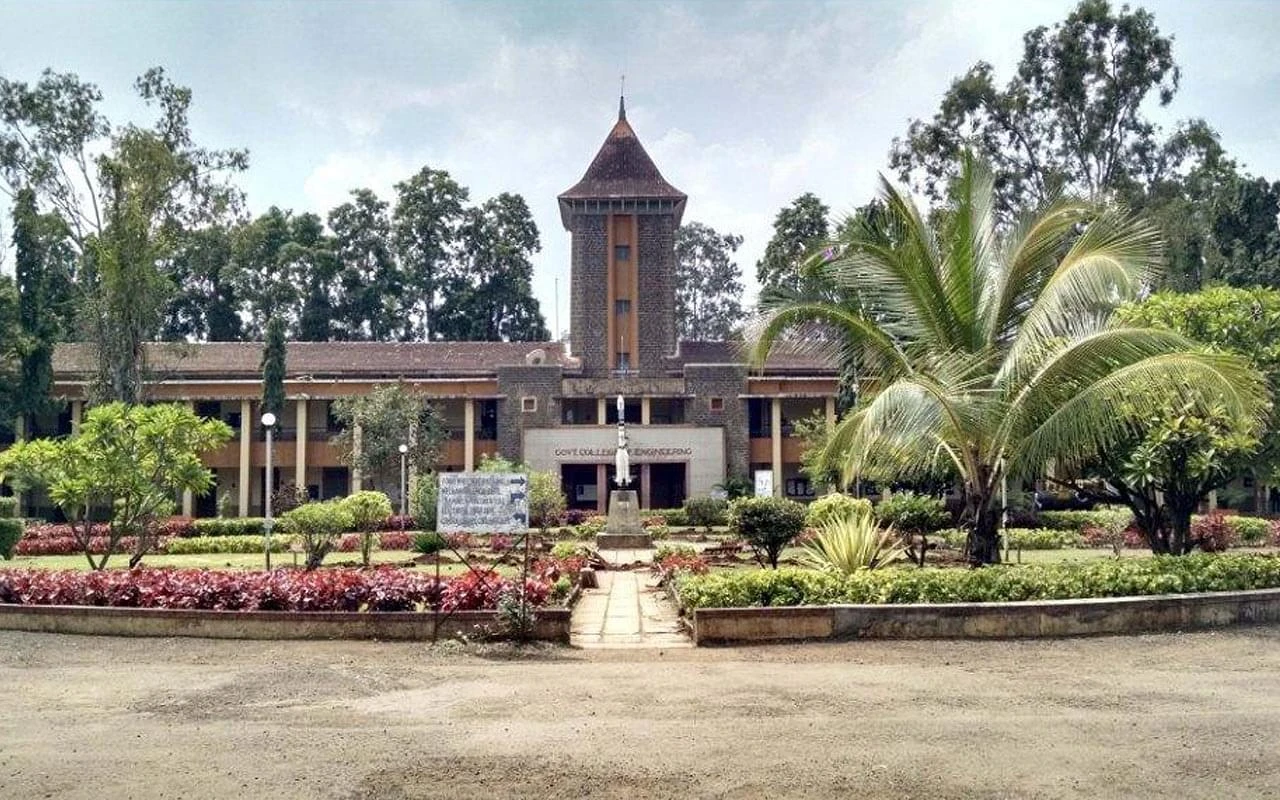
 Auditorium
 Cafeteria
 Computer Labs
 Gym
Gym Hostel
 Medical
 Science Labs
 Sports Complex
 Study Library