
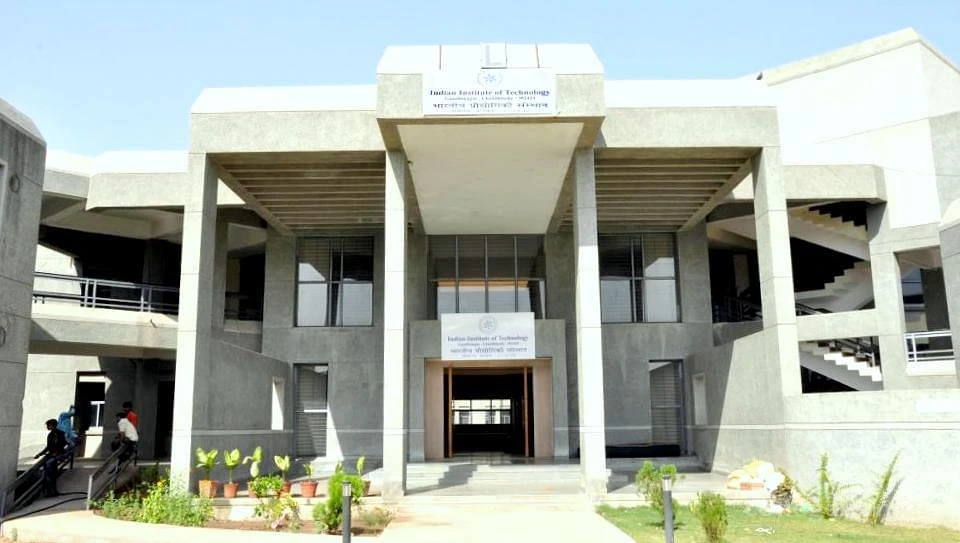

The main B.Tech route starts before JoSAA
IIT Gandhinagar’s current B.Tech admission page says its four-year engineering programmes admit through the IIT Joint Entrance Examination and directs applicants to JEE Advanced for examination information and seat numbers. For the usual domestic route, this means clearing the applicable JEE Main screening, meeting that year’s JEE Advanced rules, obtaining a valid Advanced rank and then entering the JoSAA choice-and-allocation process. Treat each as a separate gate: qualifying for the examination is not a seat offer, and an IITGN preference is not an allotment.
IITGN lists eight B.Tech disciplines: Artificial Intelligence, Chemical Engineering, Civil Engineering, Computer Science and Engineering, Electrical Engineering, Integrated Circuit Design and Technology, Mechanical Engineering, and Materials Engineering. JoSAA’s seat matrix and business rules determine the actual programme names, seat categories, eligibility restrictions and available seats in a given cycle. Compare the official choice code and branch title before locking choices; similar-sounding specialisations are distinct options. The institute’s B.Tech page notes that admission is through JEE and points applicants to the examination source for seat information. IITGN B.Tech admission page · JoSAA 2026 portal
The B.Tech page also links to IITGN’s Open House and an Olympiad-admission page. Those links are not enough by themselves to establish that an alternate channel applies to every programme or to the 2027-28 intake. Unless a current IITGN notice expressly names your programme, cohort and route, plan on the published JEE route and verify any separate channel directly with the institute.
Read the examination eligibility as a set of simultaneous tests
The latest detailed JEE Advanced eligibility material available during this review is for 2026. It says candidates in the Indian-national and OCI/PIO (I) category must satisfy all five criteria, not choose whichever one is easiest. The first is being among the top 2,50,000 successful candidates, including all categories, in JEE Main’s 2026 B.E./B.Tech paper. The 2026 page then specifies an age limit, a maximum of two attempts in two consecutive years, the first Class XII appearance window with Physics, Chemistry and Mathematics, and prior-IIT-admission restrictions. These are examples of that edition’s rules, not a forecast of 2027 eligibility. JEE Advanced 2026 eligibility
For the 2026 IIT admission board condition, JEE Advanced’s official criteria required PCM and at least one of two alternatives: five or more Class XII subjects with an aggregate of 75% (65% for SC, ST and PwD candidates), or placement within the applicable category-wise top 20 percentile. The detailed page explains subject selection, improvement-exam treatment and board-specific evidence. Applicants should not reduce this to a generic “75% rule”: the alternative, category, calculation and board documentation matter. Recheck the full criteria for the exact year you apply, including any change to exam eligibility or board-performance rules. JEE Advanced admission criteria
This review does not establish 2027-28 JEE dates, eligibility windows, board thresholds or seat numbers. Keep your Class XII board, subject combination, first-appearance year, category documentation and any previous IIT admission history together while checking the new official information brochure. For a borderline case, use the examination authority’s written clarification rather than relying on an older summary or an informal forum answer.
Use JoSAA for choices, allocation and document checks
JoSAA’s 2026 portal describes joint seat allocation for the 2026-27 academic year and provides the business rules, schedule, participating-institute list, seat matrix and opening/closing-rank service. That is the correct source family for the cycle’s choice order and seat-allocation rules. For your own cycle, read the current business rules before arranging choices, then check the programme’s actual seat pool and any restrictions. Rank tables from a prior round or year can help explain the process, but cannot guarantee a later allotment. JoSAA portal
Once a seat is allotted, follow the live candidate portal and the applicable deadline. JoSAA says a candidate allotted a seat for the first time must pay the seat-acceptance fee online before document verification. Its reporting instructions say the virtual reporting centre checks submitted records during the scheduled period and may retain, cancel or change the seat status depending on verified eligibility and available seats. Respond to discrepancy requests within the stated window; JoSAA warns that an unanswered query can result in a “Not Reported” status and cancellation. Check the exact fee, payment method, refund rules and schedule in the current business rules rather than carrying forward a previous year’s amount. Paying the JoSAA seat-acceptance fee · JoSAA reporting after allocation
An allotment is provisional until the applicable verification and confirmation steps are complete. Keep accessible scans of the certificates required by the current rules, but upload only what the portal requests. The candidate’s category, disability status, qualifying examination and other particulars can affect verification; a mismatch can change eligibility or the allotted seat. Save payment acknowledgements, portal messages and submitted-document records. Follow the authority’s instructions if a discrepancy is raised.
Complete IITGN’s separate institute reporting
JoSAA allocation is followed by IITGN’s own registration and document-verification instructions. The institute’s current B.Tech page records that students allotted through JoSAA 2026 were to attend on-campus registration on July 20, 2026, with hostel accommodation available from July 18. These are closed 2026-27 dates, useful only as an example that institute reporting happens on a separate schedule. They are not 2027-28 arrival dates. Use the notice attached to your offer for arrival, registration, fee payment, original documents, medical or accessibility arrangements, and hostel access. IITGN B.Tech admission page
Before travelling, check that your JoSAA seat status is confirmed, your institute registration is complete, and you have the exact checklist and arrival time issued for your cohort. Ask IITGN’s admission or student-affairs office about a document exception, accessibility need or late-arrival request before the deadline. Do not assume that a previous year’s notice, a general hostel page or a verbal discussion changes the conditions on an individual offer.
Other degrees have their own application routes
IITGN’s academics directory lists B.Tech, M.Tech, M.Sc., M.A. in Society and Culture, M.Des, Ph.D. and other offerings. Their admissions are not one common application. The programme page and current call should identify whether selection uses a national examination, an institute application, a written test, an interview or a combination, as well as degree-specific subject prerequisites and dates. The B.Tech JEE route described here should not be applied to a postgraduate or research programme unless its own current notice says so. IITGN academics directory
A practical verification sequence
- Select the exact programme and identify its official route in the current IITGN notice.
- For B.Tech, read the current JEE Main and JEE Advanced rules, including board eligibility and any exception that applies to your profile.
- Confirm the current JoSAA schedule, choice codes, seat matrix, fee and document requirements.
- After allotment, complete payment and online verification on time, answering every discrepancy query.
- Follow IITGN’s offer-specific registration, payment, document and hostel instructions.
As of this review, the institute has a published 2026-27 registration notice, but this review found no confirmed 2027-28 schedule in the opened official pages. Recheck the controlling notices when the next cycle is announced.