Colleges accepting IISER IAT: IISERs and separate partner programmes
The IISER Aptitude Test is used for several science degree routes, but “accepts IAT” does not mean every institution uses one common counselling portal. The latest official programme list located is from the 2026 brochure. It names seven IISERs and five additional institutions with specified programmes. The details below describe that cycle; they are not an announcement that every programme will use IAT in 2027 or later.
Seven IISER campuses using the 2026 admission process
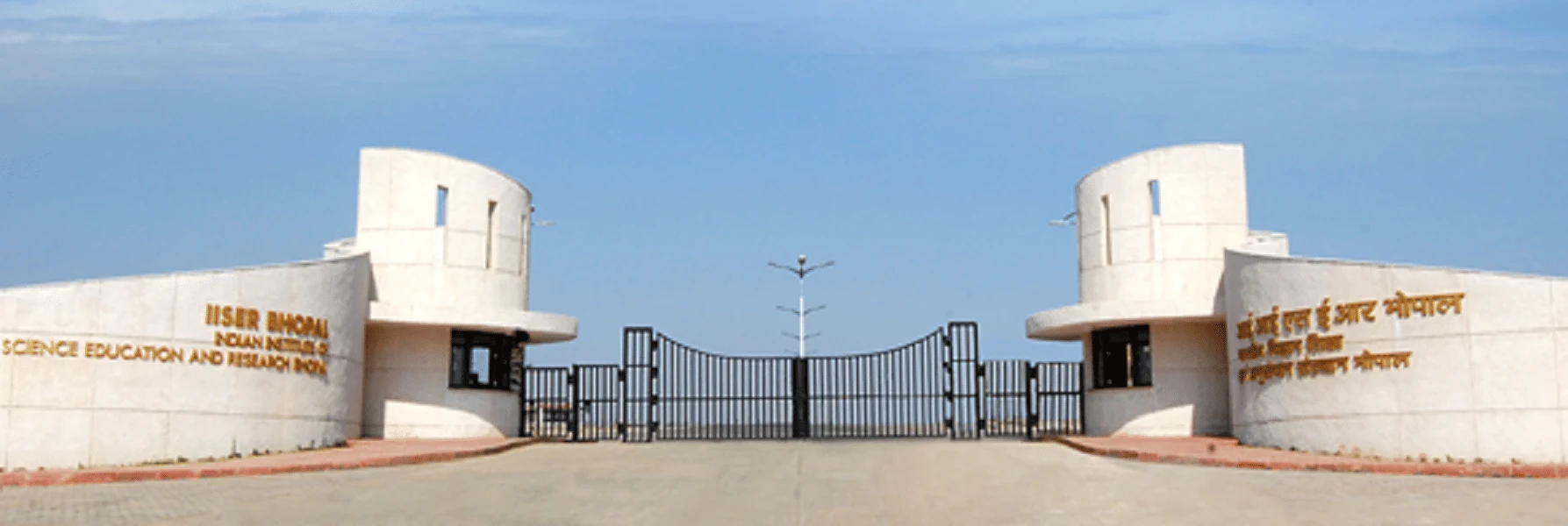
The seven IISERs are Berhampur, Bhopal, Kolkata, Mohali, Pune, Thiruvananthapuram and Tirupati. The 2026 brochure listed a five-year BS-MS at all seven. The degree combines undergraduate and postgraduate study in science; a candidate should compare campus-specific subject options and curriculum before choosing preferences rather than assuming the same major list at every campus.
The 2026 programme catalogue also showed several distinct options:
The 2026 eligibility page also required Mathematics for IISER Bhopal’s four-year B.Tech route and BS in Economic Sciences. These subject rules are programme-specific. The common test may be open to a broader set of candidates under the general three-of-four science-subject condition, while a particular programme can require Mathematics in Class XII. Check the latest programme notice before ranking a choice.
Five other institutions named in the 2026 brochure
The brochure identified these institutions outside the IISER group as using IAT for a specified programme:
These are specific programme pathways, not a blanket statement that each institution uses IAT for every undergraduate degree. The 2026 IISER brochure directed candidates to complete both the central IAT application and a separate application to the respective institution’s programme. It also warned that partner institutions could set eligibility criteria different from IISER’s. A candidate’s IAT form or IISER preference list therefore did not automatically complete an application to IISc, IIT Madras, IIT Guwahati, IACS or IIEST.
Decide which application route applies to you
Use the intended degree and institution as the starting point. If you want an IISER programme, review the IISER list, meet the central eligibility criteria, take IAT and then submit programme preferences through IISER counselling after the result. If you want one of the five listed partner programmes, complete the IAT step and then follow the separate application instructions on that institution’s official admissions page. Check whether it requires a separate registration, fee, rank update, additional eligibility document, interview or distinct offer response; those details belong to the institution and cycle, not to the common examination page.
Keep a two-column tracker for partner routes: “IAT completed” and “institution application completed.” Add the institution’s own deadline, document list and offer portal. This prevents the costly assumption that a valid IAT rank alone puts a candidate into every partner’s selection process. The 2026 brochure’s list is a starting point for research, but the partner site is the source that controls its application path and course-specific terms.
For IISER counselling, compare the exact programme name, campus, degree length, subject eligibility and preference order. The 2026 seat-allocation process depended on rank, category, preferences and seat availability in each round. A programme’s appearance on the list means it was available through the stated 2026 route; it does not establish a future seat matrix, cutoff or admission guarantee. Use official round-wise closing ranks only with year, round, category and programme attached, and never treat a historical closing rank as a promised threshold.
Separate routes can have separate eligibility
Do not apply IISER rules automatically to the five partner institutions. The central 2026 rule required at least three subjects among Biology, Chemistry, Mathematics and Physics and specified an aggregate threshold. However, the brochure explicitly cautioned that partner criteria might differ. For example, the existence of a common IAT score does not establish that every partner has the same subject combination, age rule, passing-year rule or category treatment. Read the current institution-specific page before paying its application fee.
Likewise, do not assume that one counselling result manages all offers. IISER preferences and offers appeared through the central IISER portal. A partner institution may publish its own rank/cutoff, invite a separate application, require a candidate to update an IAT rank, or use a different acceptance and reporting process. Save separate confirmation numbers and follow each official offer channel.
What is and is not confirmed for the next cycle
The official source reviewed for this guide is the IAT 2026 brochure and its other-institutions page. It establishes the programmes named for that admission cycle. No later IAT brochure was verified in the bounded research, so availability, degree names, partner list, eligibility and application dates for a later cycle remain unconfirmed here. Before applying, check the new brochure and every institution’s own current programme notice. If the programme is absent from the latest official list, do not assume that an older IAT route remains open.
Official source note
The Joint Admissions Committee’s 2026 brochure and official “Other Institutions Using IAT 2026” page are listed in the evidence record. The source extracts were official, but direct page/PDF opens timed out in this environment. Programme, subject and route details above are therefore explicitly tied to 2026; no future cycle is inferred.