
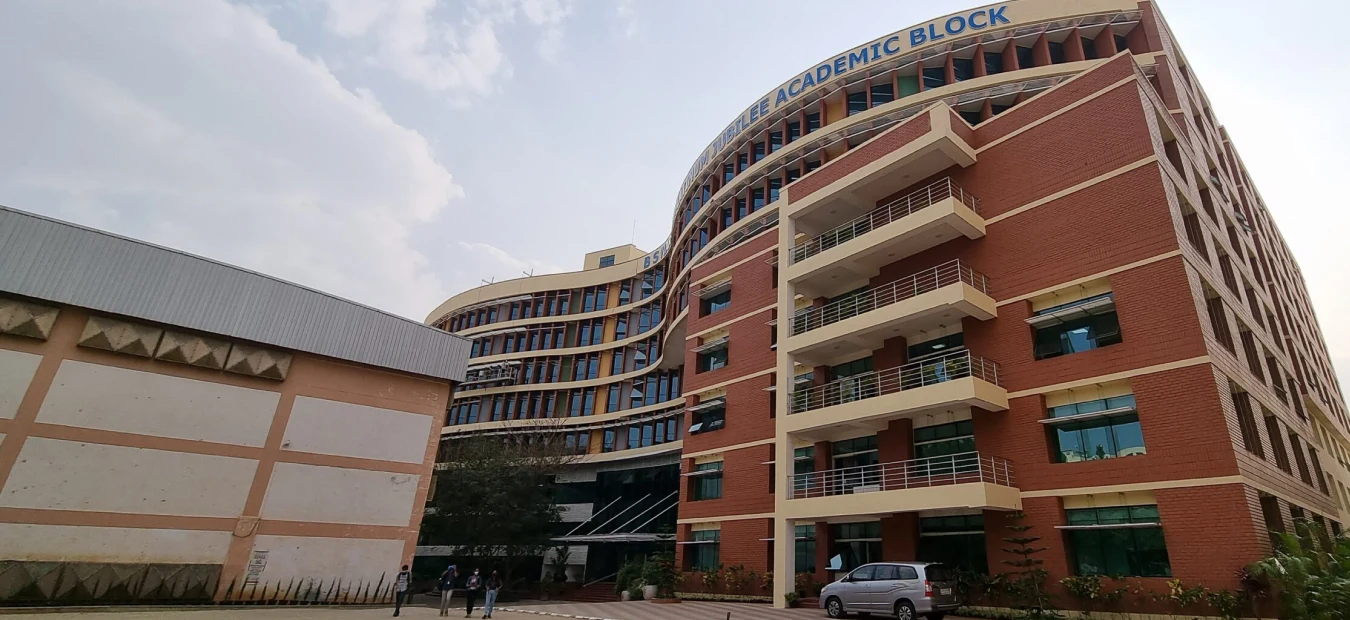
BMSCE rankings and accreditation: what the records show
The latest NIRF engineering band located for B.M.S. College of Engineering is 151-200 in India Rankings 2025. NIRF’s published page lists BMSCE within that band; it does not assign the college an individual rank number on the band page. The same Engineering band appears in the 2024 list, while BMSCE appeared in the 101-150 band in 2023. These year-specific bands show where NIRF grouped the institution, not a precise movement of a known number of places.
NIRF engineering bands
A band is a range, not a precise ordinal. The 2024 and 2025 pages do not reveal whether BMSCE’s position within the range improved, declined or stayed similar. The shift from the 2023 band to the 2024 band therefore should not be restated as a specific rank drop. NIRF’s institution list identifies the category and edition; it does not explain the change for an individual institution. Applicants who need exact score details should consult NIRF’s year-specific results where a score or exact rank is published, rather than infer it from the band page.
BMSCE’s official website also hosts NIRF data submissions for the 2026 cycle. A data-submission document is not itself a ranking result. The college’s 2026 Engineering submission contains institutional data, including the placement cohorts reported through 2024-25, but it does not authorize calling BMSCE “ranked” in NIRF 2026. For a comparison, match the same ranking publisher, category and year across institutions.
Accreditation and autonomy are different measures
BMSCE’s rankings-and-information page states that NAAC accredited the college in Cycle III with CGPA 3.56 and grade A++, for seven years from 30 June 2024 through 29 October 2031. This is an institutional accreditation statement with a stated period, not a course-level placement measure or a ranking position. Confirm the current NAAC record if you are applying near or after the listed end date.
The same official page states that UGC extended the institution’s autonomous status for ten years from academic session 2022-23 through 2031-32. Autonomy describes the institution’s academic governance status; it does not mean the institute has a higher NIRF rank or that an individual programme has a particular accreditation term. Use the stated start and end sessions when comparing this information, and check the current UGC or college notice for any later change.
BMSCE’s page says all undergraduate and postgraduate programmes hold NBA accreditation in Tier I format. That broad statement does not provide a programme-by-programme list or individual validity dates on the page. Students should confirm the exact course, accreditation term and applicable NBA record for their intended programme. The existence of an institutional statement should not be generalized into a permanent guarantee for every future course or intake.
Other distinctions need their own dates
The college page also lists ARIIA 2021 in the “Excellent” band. This is a dated innovation-related distinction, separate from NIRF Engineering. It states that BMSCE was recognized under the AICTE Doctoral Fellowship scheme from 2018-19 and that the institution was included as a lead innovator in 2020 and 2021 by Clarivate Analytics based on Derwent World Patent Index. Those dates belong to the records themselves; they do not describe a current 2026-27 rank.
The page mentions ISO 14001:2015 environmental management certification and a Government of India 5G Use Case Laboratory award among 100 higher-education institutions. The page does not state a validity period for the certification or the year of the 5G award in the captured text. Treat these as institution-published status claims and verify their current scope if they matter to a decision. They should not be combined into one score or treated as evidence of teaching quality by themselves.
The NIRF band pages list institutions alphabetically, so BMSCE’s position in the displayed table is not a rank within the band. Institutions sharing a band should not be ordered by row position. A broad band also does not show score gaps or performance on individual NIRF parameters. For a careful comparison, use the full results table for the same edition and category when it publishes scores or exact ranks, and state that the 2025 page here supplies only the band. Do not compare an engineering band with an overall, innovation or management result as though they measured the same category.
Accreditation has its own scope and period. NAAC accreditation applies to an institution over an indicated validity period, while NBA status is programme-oriented. UGC autonomy is a governance status and does not replace either form of accreditation. These records can help applicants ask whether the institution or intended programme is within the published period, but they do not resolve course fit, teaching experience, placement likelihood or total fees. Use them alongside programme-specific evidence instead of treating one label as a complete quality judgement.
How to use this information
If rankings matter to your choice, compare institutions within the same NIRF category and year, and distinguish an exact rank from a published band. A rank band gives a broad position among participating institutions; it does not show how close two colleges are within the range. Accreditation answers a different question about quality assurance over a stated period. Programme accreditation and institutional autonomy also have different units and validity scopes.
For BMSCE, the accessible evidence supports a 2025 Engineering band of 151-200, an earlier 2024 band of 151-200 and a 2023 band of 101-150, plus the college’s stated NAAC and UGC periods. Before relying on programme-level status, verify the specific course and current validity. Do not project the 2025 band into a future edition or treat the NIRF 2026 submission as a 2026 rank result.