Loading Admission Guardian content
Loading Admission Guardian content

3 programmes · 1 institution. Check the admission year and requirements.
3 programmes · 1 institution. Check the admission year and requirements.
See each program's fee period below.
Eligibility: Post Graduation with 60%
Listed entrance exams
Eligibility: Graduation
Specializations
Listed entrance exams
Eligibility: Graduation
See courses and fees at other colleges.
Explore Management collegesLoading programmes and admission routes.
IMI Delhi’s fee decision starts with the programme, not with a headline amount. The institute lists a two-year PGDM, PGDM in Human Resource Management and PGDM in Banking & Financial Services, as well as an 18-month PGDM, doctoral routes and an online programme. These are different offerings with different formats. The current IMI Delhi admissions portal displays a programme fee of ₹23.54 lakh, but the answer does not say which programme variant or applicant category it covers, or how the amount is divided among tuition and other charges.
The admissions page currently identifies the two-year PGDM intake as 2027-29. That is the source batch to check when asking for the fee schedule. Do not transfer a historic 2026-28 fee table, an executive-programme price or an amount shown for another IMI campus into this intake. In this guide, ₹23.54 lakh is reported only as the amount shown in the current portal FAQ at the time of retrieval, not as an itemised or guaranteed bill for every applicant.
If you are comparing general PGDM with HRM or B&FS, first confirm the exact programme selection in the application and ask whether the same schedule applies to that route. The portal’s concise answer uses the singular phrase “the programme”; it does not give separate prices for the three two-year options. The official fee-structure link returned a 404 when opened on 5 November 2026, so this check could not verify a current line-by-line chart. Ask IMI for the current written schedule attached to your offer before paying a seat fee or calculating a loan.
The portal’s FAQ gives one useful anchor: ₹23.54 lakh is presented as the programme fee for IMI Delhi. The same portal describes the 2027-29 admission cycle, so the figure is the current public reference available while that intake is being advertised. The FAQ answer itself does not name a batch, explain whether the amount is tuition only or total academic charges, or state whether it includes a refundable deposit. It also does not say whether the figure is identical for self-sponsored and company-sponsored applicants, foreign nationals, PGDM (HRM) or PGDM (B&FS).
That distinction changes how to use the number. It is suitable as a first comparison point because it is an official current portal statement. It is not enough to estimate the exact cash needed at enrolment, the amount due in each term, the refundable portion, the hostel charge or the difference between programmes. A student comparing two schools should place the ₹23.54 lakh figure beside an itemised fee schedule from each school, not beside another school’s tuition-only figure or a total that already includes accommodation.
The linked PGDM fee structure is the place to check for itemisation, but it returned 404 in this retrieval. The page’s search-index preview contains material that could not be checked by opening the official page, so its figures are not repeated here as verified current terms. If the official page is restored, compare its batch label, applicant category and total before using any breakdown. If it remains unavailable, request the schedule directly from admissions and keep the reply with your offer documents.
For a useful written quote, ask the institute to identify the exact amount for your programme and category, which academic batch it belongs to, what each instalment covers, whether the quote can change, which deposits are refundable, and which costs sit outside the programme fee. Ask the admissions office to state explicitly whether the amount shown in the portal applies to the PGDM, HRM and B&FS routes equally. Do not infer an answer from a common admission form or from the fact that the programmes share an eligibility page.
The application processing charge is separate from the portal’s programme-fee answer. IMI’s official admission page lists a non-refundable ₹2,500 application processing fee for an applicant applying to a two-year programme at IMI Delhi, or using the stated option to apply across IMI Delhi and the Kolkata and/or Bhubaneswar campuses. This is a charge to submit an application, not a tuition estimate and not evidence that the application fee is credited against later programme fees.
The institute says applicants must complete the form online, submit the required documents and pay the processing fee through its designated gateway. It warns that incomplete forms may be rejected and says the payment receipt should not be sent directly to the Delhi admission office. Keep the portal confirmation, transaction reference and a copy of the submitted form. If a payment is debited but the portal does not show a completed application, contact the official admissions office before making a duplicate payment.
Before paying, check which programmes and campuses the current form has recorded. The admission page’s wording covers applications to one two-year programme or stated multi-campus combinations; it does not establish that selecting one option automatically submits an application to every IMI campus or every programme. Save the final application summary. If the fee changes or the portal presents a different charge, follow the live form and ask the office to clarify the amount before completing the transaction.
The application processing fee is non-refundable according to the page. That makes it a small but real cost of exploring an application, separate from an offer acceptance payment. Candidates applying to several schools can budget application charges as one-time costs and keep them separate from the loan principal they may eventually need for study. Do not use the ₹2,500 application charge as a guide to the size or schedule of programme instalments.
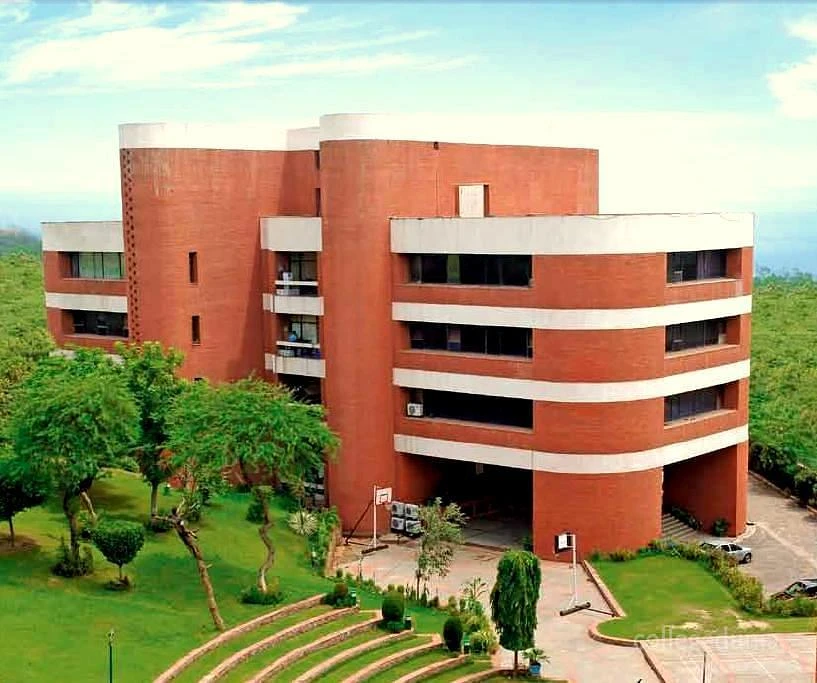
The official infrastructure page describes IMI New Delhi’s furnished single- and double-occupancy residence rooms, library and computing resources, internet and intranet access, mess facilities, recreation spaces and an air-conditioned gym. It is a facility description, not an allotment promise or a current hostel quotation. The page does not state the room availability for a particular intake, the room category an applicant will receive or the 2027-29 hostel and mess charges.
A separate IMI hostel policy dated 30 March 2023 described on-campus accommodation as limited and allotted on a first-come-first-served basis at the institute’s discretion. It also said students who received a room would add hostel and mess charges. Those statements explain why residence should be budgeted separately, but the document is old and cannot establish current availability, prices or allocation order. The 2023 table covered 2023-24 and 2024-25; those amounts are not presented as 2027-29 prices.
Ask whether accommodation is available to your admitted cohort, whether a room is guaranteed or allocated later, which room types are offered, how the mess charge is assessed, and what happens if a room is not available. Request the current amounts for both hostel and mess, the dates when they are due, any deposit or refund terms, and whether you may decline on-campus residence. A residence page may describe amenities without answering any of those cost questions.
The amount you should plan for is therefore broader than the portal’s programme-fee line. Before accepting an offer, ask for a schedule that separates academic charges from accommodation and mess, and add travel, books or personal spending only where you have your own estimates. Do not add an assumed hostel amount to ₹23.54 lakh or assume the portal fee already includes housing. The source available here does not establish either treatment.
IMI’s tuition-waiver landing page currently lists links to documents labelled for the 2025-27 and earlier batches. It does not list a 2027-29 award schedule or state that a waiver is available to every eligible applicant in the current intake. The admissions portal contains a general Tuition Fee Waiver FAQ, but applicants should use a current IMI notice to confirm the applicable income test, required certificates, number of seats, covered fee components and decision timing.
Do not subtract a possible waiver from the ₹23.54 lakh portal figure when deciding whether you can afford the programme. A waiver is not a confirmed credit until IMI approves it for the correct batch and applicant. Ask whether the waiver applies to tuition only or to another specified charge, whether it changes the instalment amount before the decision, and how a student should pay if selection occurs after the first fee deadline. Keep the original published programme amount in your budget until you have an official award notice.
The admissions portal says IMI has bank tie-ups for education loans and links a list of banks. A bank relationship does not establish a loan approval, interest rate, collateral rule, moratorium or repayment amount for a particular student. Obtain terms directly from the lender and compare the sanctioned amount with the institute’s written fee schedule. Check whether the bank finances hostel and mess charges, the application processing fee, security deposits or only specified academic charges.
For a loan comparison, use the amount and instalment dates in the offer, the residence quote if applicable, the waiver decision if issued, and the lender’s own repayment estimate. This lets you separate the institute’s verified charge from an individual financing cost. Avoid using an average salary, a scholarship headline or a general bank tie-up as proof that the loan will be affordable for your circumstances.
The current detailed fee-structure page was unavailable when checked, so its instalment amounts and due dates could not be verified for the 2027-29 intake. The admissions page directs applicants to comply with the fee and payment instructions associated with their offer. Read that schedule carefully before accepting: note the first amount due, each subsequent due date, the accepted payment method, late-payment consequences and the refund conditions attached to each payment.
IMI’s admissions page describes a withdrawal policy. For a withdrawal before the programme starts, it says the amount collected is refunded after a ₹1,000 processing deduction when a wait-listed candidate receives the vacant seat. If a student leaves after the course has begun and the vacancy is not filled, the page says only the refundable component of the fee is returned. These are important conditions, but they do not tell a student which line items in a particular fee schedule are refundable. Confirm the policy that applies to your offer and retain the written terms before remitting a large instalment.
Ask for a line-by-line statement that marks refundable and non-refundable amounts. A refundable security deposit, if one appears on the offer, is not the same as a fee waiver, and it should not be counted as money available for the first instalment. Ask what clearance is required to receive a deposit back and how long a refund can take. If you are employer-sponsored, check whether your sponsor’s undertaking changes who pays each instalment or who receives a refund.
The application fee has its own rule: the admissions page calls it non-refundable. A withdrawal from the programme and a decision not to complete an application are different situations. Keep those terms separate when comparing the cost of applying with the cost of accepting an offer. If any clause is unclear, ask the admissions office to confirm it in writing rather than relying on a general third-party summary.
Start with the programme you actually want. The general PGDM, HRM and B&FS are distinct routes; the 18-month PGDM, FPM and online programme are different offerings. Make sure the fee quote names the exact programme, campus and applicant category. This matters especially for company-sponsored or foreign applicants because the published portal figure does not explain category differences.
Next, separate the official costs into categories before comparing colleges: the stated programme fee, application-processing charge, accommodation and mess if offered, refundable deposits, and any other compulsory charge in the offer. Record the academic batch and source for each amount. When a category is not itemised, mark it as unconfirmed instead of filling it with an older figure. A current portal reference and an official offer schedule have different levels of specificity; the written offer should govern the amount you must pay.
Then compare payment timing, not just the sum. Six instalments spread across two years would affect cash flow differently from a large admission deposit or term-based payment, but this page’s current public sources do not verify the 2027-29 instalment sequence. Use the actual schedule from IMI rather than importing dates from a past batch. Add any loan interest and living costs only from your own lender quote and budget. Keep possible aid out of the base case until it is awarded.
Finally, judge cost alongside the programme format and support relevant to your category. The two-year PGDM structure has six trimesters and a summer internship after year one. IMI says company-sponsored applicants and foreign nationals are not eligible for placement assistance from its placement cell, while self-sponsored candidates receive assistance on a best-effort basis. Those conditions can affect the value of the route for a specific applicant, but they do not supply an individual salary or guarantee a financial return. Compare programme-specific placement evidence separately and keep its cohort and reporting period visible.
The current admissions portal FAQ displays ₹23.54 lakh as the programme fee. It does not itemise the amount or specify which programme variant, applicant category or other charges it includes. Confirm the exact 2027-29 schedule with IMI before using it as your total budget.
The FAQ does not say. The detailed fee-structure page returned 404 in this check, so a current breakdown could not be verified. Do not label the amount tuition-only or all-inclusive without an itemised schedule.
The admissions page lists a separate non-refundable ₹2,500 application processing charge. It is a submission charge; the page does not say it is credited against programme fees.
The current infrastructure page describes residence facilities but does not publish current hostel prices or guarantee a place. A 2023 hostel policy described separate hostel and mess charges for students who received accommodation. Confirm current availability and rates for your batch.
The tuition-waiver page lists links through the 2025-27 batch, not a 2027-29 award schedule. Ask IMI whether a current scheme is available and do not subtract a possible waiver before receiving an official award notice.
The admissions page describes a ₹1,000 deduction for withdrawal before the programme starts when a wait-listed candidate fills the seat. After the course starts, it says only the refundable component returns if the seat remains unfilled. Check the terms in your offer to see which payments are refundable.
Programme information: Official source · Source as of: 2026-11-05
Each route applies only to this named programme and the stated year.
CAT: Common Admission Test · 2027-29
Admission-route evidence: Official source · Source as of: 2026-11-05
GMAT: Graduate Management Admission Test · 2027-29
Admission-route evidence: Official source · Source as of: 2026-11-05
XAT: Xavier Aptitude Test · 2027-29
Admission-route evidence: Official source · Source as of: 2026-11-05
Programme information: Official source · Source as of: 2026-11-05
Each route applies only to this named programme and the stated year.
CAT: Common Admission Test · 2027-29
Admission-route evidence: Official source · Source as of: 2026-11-05
GMAT: Graduate Management Admission Test · 2027-29
Programme information: Official source · Source as of: 2026-11-05
Each route applies only to this named programme and the stated year.
CAT: Common Admission Test · 2027-29
Admission-route evidence: Official source · Source as of: 2026-11-05
GMAT: Graduate Management Admission Test · 2027-29
3 recorded programmes · 1 institution. Admission years and conditions apply to the named programme.
Admission-route evidence: Official source · Source as of: 2026-11-05
XAT: Xavier Aptitude Test · 2027-29
Admission-route evidence: Official source · Source as of: 2026-11-05
Admission-route evidence: Official source · Source as of: 2026-11-05
XAT: Xavier Aptitude Test · 2027-29
Admission-route evidence: Official source · Source as of: 2026-11-05