
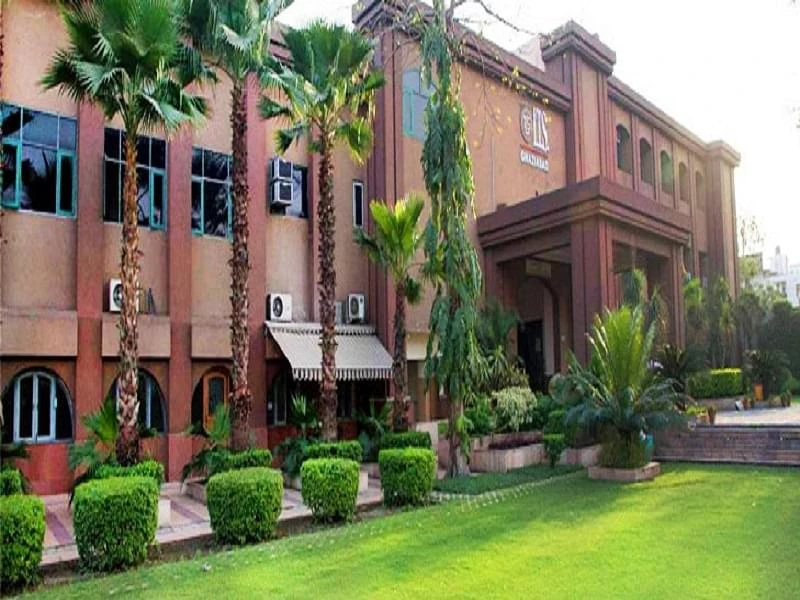

 Auditorium
 Cafeteria
 Computer Labs
 Gym
 Hostel
 Medical
 Science Labs
 Sports Complex
 Study Library
I.T.S Ghaziabad Facilities: access, labs, health care and hostel terms
I.T.S Mohan Nagar’s published facility evidence spans a current institutional submission, an MBA handbook for the 2024–2026 batch and an older MCA placement brochure. They answer different questions. The 2026 NIRF submission gives self-reported campus accessibility information; the handbook sets out health and hostel procedures for its named batch; the brochure records facilities promoted in 2019. Applicants should use these as dated evidence and confirm current availability, access and charges with the Ghaziabad campus before enrolling.
Accessibility: useful campus-level information, not a building map
In its NIRF 2026 submission, I.T.S Ghaziabad answered that more than 80% of institutional buildings have lifts or ramps, that walking aids including wheelchairs and transport between buildings are provided, and that more than 80% of buildings have specially designed toilets. These statements are more useful than a general “accessible campus” label because they identify the measures the institution reported.
The submission does not name which buildings meet each measure, identify step-free routes between the gate, classroom, library, dining area and hostel, or explain the availability and booking of wheelchair transport. “More than 80%” also means the report does not assert universal access across every building. If you rely on a specific route or accommodation, contact the campus before visiting and ask which entrance, classroom and washroom you will use. Arrange a physical walkthrough with the accessibility or student-support contact, test lifts and ramps at the times you expect to travel, and confirm how assistance is requested when a lift is unavailable.
The NIRF document is an institutional submission, not an independent building audit. Applicants with mobility, visual, hearing or other access needs should ask the college for current, building-level details in writing. The report’s answer about walking aids and transport does not establish that a particular device or staff member will be available on demand at every hour.
Teaching spaces and student resources: keep the brochure date attached
The institute’s MCA placement brochure, which identifies I.T.S Ghaziabad and presents its “Infrastructure & Facilities,” describes air-conditioned lecture halls, computer labs, a networked library, auditorium and seminar halls, Wi-Fi, a sports complex and gymnasium. It lists indoor and outdoor activities such as table tennis, carrom, cricket, chess, badminton and volleyball. It also describes a cafeteria, learning resources, and labs for computing subjects. These are details from a 2019 brochure, not a verified inventory of equipment or opening hours in 2027.
For an MCA applicant, the old brochure’s listed “ten computer labs” and software names should not be treated as a current count or current hardware specification. Ask the department which labs are assigned to the 2027 intake, how often students can use them outside scheduled classes, what software and systems are available, and whether students receive individual or shared access. For MBA applicants, ask where case discussions and group work happen and whether the listed study spaces can be booked. For both programmes, verify the library’s current hours, borrowing rules, electronic database access, Wi-Fi coverage in teaching areas and any limits on personal devices.
The existence of an auditorium, sports complex, cafeteria or gym does not establish that every student has unrestricted access or that all activities are included in academic fees. During a campus visit, ask to see the facilities relevant to your course rather than relying on a brochure photograph. If you plan to live in the hostel, check connectivity and study conditions there separately from campus Wi-Fi claims.
Medical support and hostels: the 2024–2026 handbook terms
The MBA 2024–2026 student handbook says medical facilities are available on campus and that a doctor visits from 10:00 a.m. to 5:30 p.m. on weekdays. It says a first-aid kit is available with the hostel warden and resident students can contact the warden in an emergency. This is a dated handbook provision. It does not state weekend or overnight doctor coverage, the current clinic schedule, the range of treatment available or the response time for off-hours emergencies. Confirm the 2027 arrangement, emergency contact, ambulance or referral process and any health-service charges.
The same handbook treats hostel accommodation as a paid, discretionary facility. It says room allotment is considered after documentation and full payment of hostel fees, and that the college reserves discretion over occupancy. It describes single and shared accommodation, with and without air-conditioning or air-cooler options at different charges. Its rule says charges for the provided hostel services are inclusive rather than divided by each service, and that a refundable security deposit is separate from academic fees. These are policy terms, not a current room quote: the handbook is for the MBA 2024–2026 batch and does not confirm 2027 rates, available rooms or allocation for MCA students.
The handbook also leaves some daily arrangements to later notices. Hostel outpass and return timings are set by the campus authority and communicated to residents; visitor hours are announced and displayed. Before accepting a hostel place, request the current handbook and written fee schedule. Confirm the room type, occupancy, mess and laundry arrangements, deposit and refund conditions, payment dates, permitted outpass process, guest rules, emergency contacts and whether summer or internship stays cost extra. If you need a quiet room, accessible bathroom, medical accommodation or a particular meal arrangement, ask whether it can actually be provided before you pay.
What to verify on a visit
The most decision-relevant current evidence is the NIRF 2026 accessibility submission. The other detailed materials used here are older: the MBA handbook covers 2024–2026, and the MCA facilities brochure is from 2019. They establish what I.T.S has described or required in those documents, not a guarantee that every facility, rule or service is unchanged in 2027–2028.
A useful visit should follow your real day. Walk from the public entrance or parking point to the classroom, laboratory, library, cafeteria and relevant washroom. If you may live on campus, inspect the room and bathroom type you would be offered, the route to class and the clinic, and the environment during evening hours. Ask how a maintenance issue is reported and what happens if an elevator, internet connection or water supply is unavailable. For academic facilities, request a course-specific timetable or lab orientation rather than a general tour.
I.T.S can be a practical option for students who value an on-campus mix of teaching spaces, sports and hostel facilities in Ghaziabad, provided the specific spaces and operating terms meet their needs. It may not fit someone who needs fully documented universal access, guaranteed hostel occupancy, round-the-clock medical cover or current laboratory specifications unless the institute confirms those points. The available documents do not establish current 2027 room availability, hostel pricing, clinic hours or equipment condition. Ask for those details in writing, and treat the older handbook and brochure as reference points rather than current promises.