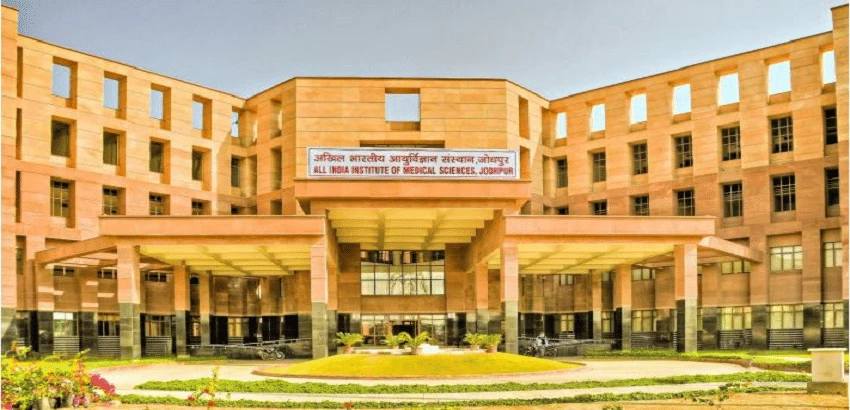
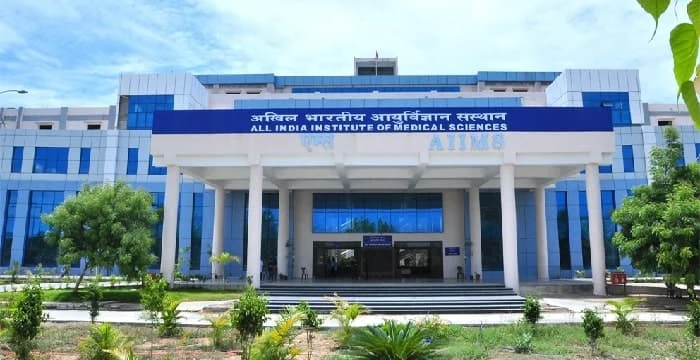
The July 2025 participating institute list
The AIIMS July 2025 Part A prospectus listed 23 participating institutes: AIIMS New Delhi, Bhopal, Bhubaneswar, Jodhpur, Nagpur, Patna, Raipur, Rishikesh, Bibinagar, Bhatinda, Deoghar, Mangalagiri, Raebareli, Kalyani, Bilaspur, Gorakhpur, Guwahati, Rajkot and Jammu; JIPMER Puducherry; NIMHANS Bengaluru; PGIMER Chandigarh; and SCTIMST Trivandrum. This is the roster printed for the July 2025 session, not a promise that every institute or course will participate in a later session.
The same prospectus describes the July 2025 entrance test as covering MD, MS, six-year DM, six-year MCh, MDS and MD (Hospital Administration). Do not infer that every listed institute offered every course. The actual courses and available seats are published by institute and session. Read the current seat position and each institution’s prospectus before building a choice list.
What the common prospectus tells you
Part A handles common information such as examination eligibility, test cities, application fee, the application process, test scheme and seat-allocation method. It also says that institution-specific eligibility and admission matters are covered by each INI’s Part B prospectus. The list is therefore a starting point for the participating system, not a single shared catalogue of all course details.
Use the roster to make a shortlist, then verify each row against the current official documents. Confirm that the institute appears in the relevant session prospectus, that the course you want is listed for that institute, and that the seat position applies to your category and route. A name on the participation list does not by itself establish that a particular specialty has an open seat.
Compare institutes on the information that affects admission
For each institute and course, record the official eligibility conditions, seats available, category or institutional preference rules, fees, stipend or salary terms, hostel and leave policies, and any penalty or joining requirement that matters to you. The Part A prospectus points candidates to Part B for these details. Check the document revision and source year; a policy from one session may not be current for the next.
Location can also affect practical planning. Consider travel, family responsibilities and the documents or reporting deadlines required for joining. These are personal decision factors rather than a claim that one institute is better than another. Do not compare institutions using an unsupported general ranking when what you need is a course-specific rule or a verified seat position.
A careful shortlist and choice workflow
Create a shortlist with one row per institute-course combination, not just one row per institution. Mark whether eligibility is confirmed, which prospectus supports it, and whether the current seat position includes a seat for your category and route. Rank the combinations according to your actual preference before opening the choice-filling portal. This reduces last-minute decisions based on names or incomplete information.
The July 2025 prospectus says seat allocation depended on merit, candidate choices and reservation policies of individual INIs. The relevant institute rules are in Part B. This means a common test score alone does not settle every admission question. Check both the shared allocation instructions and institute-specific conditions before submitting preferences or accepting an allotment.
Verify the next session before relying on this list
The AIIMS Key Dates page currently has no visible INI-CET 2027 schedule in the source check, and no current 2027 participating-institute prospectus was opened. The 23-name list and course scope above remain explicitly July 2025 history. When the next prospectus appears, confirm the roster again and check later amendments before assuming a familiar institute or programme is included.
Use the official AIIMS Examination Section for common session notices and the respective institution’s official site for Part B and institute-specific updates. If the common prospectus and an institute document appear inconsistent, compare the session and issue dates and resolve the question through the official channel before treating a seat as available.
Turn the roster into a course shortlist
The institute roster is not the same as the seat matrix. Start with the official list of participating institutions for the relevant session, then check the course and institute combination in the current seat position. Record the category and seat type as well. A participating institute may not offer every programme in the common exam, and a programme appearing in the overall exam scope does not establish an open seat at each institution.
For each possible choice, note where to find the institute’s Part B and the session-specific admission information. Compare eligibility, fee, stipend, hostel, leave and joining conditions only when the source applies to that institute and course. The July 2025 prospectus specifically points candidates to Part B for these institution-level details. Do not substitute a university-wide page if the admission notice identifies a particular department or course condition.
A spreadsheet can help, but keep source links and dates next to every value. If one institute’s fee table is from an older academic year, label it instead of comparing it as current. If a field cannot be verified, leave it blank and check the current official source rather than borrowing a value from a neighbouring institute.
Finally, order choices by genuine preference after checking eligibility and availability. The July 2025 allocation method considered merit, candidate choices and applicable institute policies. That is a reason to make choices carefully, not a guarantee that the first preference will be allotted. Future participation, programmes and seat counts must be confirmed in the next session’s documents.