Loading Admission Guardian content
Loading Admission Guardian content

6 programmes · 1 institution. Check the admission year and requirements.
6 programmes · 1 institution. Check the admission year and requirements.
Amity School of Fashion Technology (ASFT) is a specialist fashion and textile school at Amity University Noida. Its current programme list spans four-year B.Des courses in Fashion Communication, Fashion Design, Fashion Technology and Textile Design, plus postgraduate study in Fashion Management and Fashion & Textiles. Its official infrastructure page names design studios, garment-construction labs, textile-testing and fabric-manufacturing labs, a library and computing room. This makes ASFT a candidate for applicants looking for a fashion-focused programme within a larger private university, but applicants should compare the exact course, cost and verified outcomes rather than relying on broad campus claims.
The material captured for this refresh supports named programmes, a dated 2026 prospectus, school-specific facilities and dated student showcases. It does not support the prior page’s claims of a ₹4.5L average or ₹7L highest salary, named recruiter lists, a guaranteed direct-admission threshold, or broad hostel/security details. Those claims are not repeated. For placement decisions, request a current report with programme and graduating-batch denominators. For admissions and fees, treat the 2026 prospectus as a dated reference and confirm later-cycle terms on Amity’s live portal.
ASFT is most relevant to students who have a clear interest in fashion, apparel, textiles, communication or fashion management and want a course whose title aligns with that interest. The B.Des options cover distinct themes: Fashion Communication, Fashion Design, Fashion Technology and Textile Design. Their names suggest different academic directions, but the exact curriculum and project balance should be checked in the current programme materials. The MBA Fashion Management and M.Design Fashion & Textiles are postgraduate routes with different prior-degree requirements; they should not be treated as interchangeable continuations of the undergraduate courses.
The school’s official description refers to industry and designer interaction and a 6-8 week summer training or project. Its event records include a final-year Fashion Design collection presentation in March 2026 and participation in a joint Delhi Times Fashion Week event in May 2025. These are dated examples of exposure and student work, not proof that every student attends an event, completes a paid internship or receives a job offer. A student who values practical work should ask how studios, labs, industry projects and training fit into the chosen programme and how students are assessed.
ASFT may be less suitable for someone seeking a broad multidisciplinary engineering or general liberal-arts degree, a low-cost public institution, or a school with readily available audited programme-level placement statistics. The current materials reviewed here do not establish its relative prestige against NIFT, NID or other design institutions. Compare schools by programme, facilities, fees, student work and verifiable outcomes instead of relying on a generic “tier” label.
The 2026 prospectus lists four-year B.Des programmes in Fashion Communication (code 10811), Fashion Design (10817), Fashion Technology (10812) and Textile Design (10810). The postgraduate options captured are a two-year MBA Fashion Management (10245) and a two-year M.Design Fashion & Textiles (10990). The official catalogue also lists B.Des Fashion Technology under code A24812 and describes selection through video responses on the admissions microsite. Programme codes and availability can differ across portal views, so use the code shown in your current application and verify that the campus is Noida.
Eligibility is programme-specific. In the 2026 prospectus, Fashion Communication requires 60% in Class XII for non-sponsored applicants and 50% for sponsored applicants. Fashion Design lists 55% and 50%, while Fashion Technology and Textile Design list a 50% Class XII threshold. Fashion Communication selection explicitly includes a creative test followed by interview. The captured prospectus does not support applying that exact sequence to every undergraduate programme. Ask the current admissions office whether a test, interview, portfolio or video response applies to your selected course and what format to prepare.
The MBA requires a bachelor’s degree with 50% aggregate in the 2026 prospectus. Its listed test thresholds vary by examination and category: CAT/XAT 75 percentile non-sponsored and 65 sponsored; NMAT 200/150; MAT 500/450; GMAT 500/450; and CMAT 150/100, followed by the stated interview. M.Design requires a Fashion or Textiles bachelor’s degree with 50%. Confirm accepted test years, score validity, subject equivalence and documents for the active intake. Minimum eligibility is not an admission guarantee, and the captured sources do not provide static seat-closing cutoffs for ASFT.
When comparing the four B.Des titles, write down the work you want to learn to do and ask for a recent assignment from that programme. A Fashion Communication applicant can ask to see how students explain a visual concept; a Fashion Design applicant can ask how collection work develops; a Fashion Technology applicant can ask how production or garment construction is taught; and a Textile Design applicant can ask how material and fabric work appears in the course. These are questions suggested by programme names, not a confirmed syllabus description. Ask the department to point to the actual module and project rather than choosing from a title alone.
For postgraduate applicants, make a separate comparison sheet. The MBA’s 2026 entry rule uses a bachelor’s degree aggregate and lists management test thresholds, while the M.Design specifies a Fashion or Textiles bachelor’s degree. Record the exact accepted prior degree, score or marks calculation, selection step and course code in writing. This helps prevent a general university eligibility statement from being mistaken for the rule of a specialist programme.
The 2026 prospectus reports first-semester fees, not complete programme costs. It lists B.Des Fashion Communication at ₹1,05,000 non-sponsored or ₹1,57,500 sponsored; Fashion Design at ₹1,17,000 or ₹1,75,500; and Fashion Technology and Textile Design at ₹89,000 or ₹1,33,500 each. MBA Fashion Management is ₹2,04,000 or ₹3,06,000 for semester one; M.Design Fashion & Textiles is ₹75,000 or ₹1,12,500. Each pair is programme- and category-specific. The prospectus mentions two semesters per academic year, an approximate 5% annual increase and a one-time ₹20,000 academic security deposit. Later semester amounts can differ, so multiplying the first-semester fee by the degree duration would not establish a reliable total.
The prospectus also lists Noida AC hostel accommodation at ₹1.95L per year plus a ₹15,000 deposit, subject to limited availability. Residence is separate from tuition and not necessary for every student. Ask about the current room tariff, availability, meals and refund terms. Before accepting an offer, request the fee schedule for your exact programme and category, deposits and payment dates. Do not budget on an unverified scholarship or assume a scholarship covers deposits, hostel or materials.
Amity’s 2026 scholarship notice advertised Noida undergraduate merit awards of 100% at 95% or above and 50% at 90%-94.99% for the listed CBSE/ISC Class XII cohorts. The postgraduate thresholds combine Class XII and graduation marks. The 2026 application deadline was 5 September and original marksheets were due by 31 October; both dates had passed by this page’s 1 November 2026 review. These are historical terms, not an open award window. Amity Noida lists broader aid categories such as merit, need, sports/art and differently-abled support, but the captured material does not establish a current ASFT-specific amount or deadline. Confirm coverage and current rules in writing.
The official ASFT infrastructure page lists two design studios, two garment-construction labs with industrial machines, textile-testing and fabric-manufacturing laboratories, a library, a computing room and a 60-acre herbal garden with greenhouse. This is a concrete set of specialist spaces, but the captured page does not say how many students use each room, what software is installed, how many machines are available, or whether students can access a lab outside scheduled classes. It also does not identify specific textile tests, equipment brands or accreditations.
Ask which studios and labs are used by your programme and semester, how practical sessions are scheduled, who supervises machines, whether students pay separately for materials, and how the library and computing room are accessed. Confirm whether the greenhouse is used in teaching or is simply a campus feature. Do not assume that every facility is part of every course. For general services such as accommodation, dining, health support, transport, sports, security and accessibility, use current campus-level policies; the ASFT facilities page captured here does not verify detailed arrangements.
ASFT’s school page describes industry and designer interaction and a 6-8 week summer training or project. Ask whether students arrange the activity themselves, whether it is compulsory or paid, how it is assessed and what expenses students may bear. These details affect the value of a practical curriculum and are not settled by a brief institutional description.
The public Amity placement portal identifies an ASFT placement-statistics page, but no usable school-level cohort table or salary series was captured for this refresh. The previous page’s average and highest-package figures, starting salary, recruiter list and role-frequency claims lack a confirmed source and denominator here, so applicants should not rely on them. Request data by programme and graduating year: eligible students, participants, unique students placed, offers accepted, students pursuing higher study, median compensation and reporting date. Ask whether compensation means fixed pay, annual CTC, variable pay or internship stipend. Do not substitute a university-wide total for an ASFT result.
The dated showcases add a narrower kind of evidence. ASFT’s KREATIV ’26 report describes a final-year Fashion Design collection presentation themed “Threads of Identity: Regional Textiles of India,” with five collections on 12 March 2026. A 2025 report records 19 outfits attributed to ASFT Noida in a joint Delhi Times Fashion Week presentation with AUH, 39 outfits combined. These examples show work presented at specific events, not a job outcome or universal student opportunity. Ask how projects are selected and whether current students can show work from the exact course you are considering.
The official ASFT ranking page reports rank 4 in Outlook India’s 2022 private fashion-college category, rank 4 in Outlook-ICARE’s 2021 private fashion-institute category, and rank 3 in an Emerging Fashion College listing in 2020. It describes ASFT among top fashion institutes in the ICARE Professional Ranking 2024 but the captured wording gives no exact position. These historical categories should remain distinct; they are not a single current rank. No current NIRF position for ASFT was confirmed in this source capture. Check the publisher’s full list and methodology before comparing institutions.
ASFT deserves a closer look if a specific course matches your academic interest, you want access to fashion and textile workspaces, and you are comfortable verifying current costs and employment outcomes directly. It is a weaker choice if your decision depends on an unverified package average, a named recruiter list without offer counts, or a future scholarship amount that has not been announced.
Before applying, match your course and campus code, confirm category-specific eligibility and current selection stages, and ask for a written assessment schedule. Before paying, obtain the active fee notice and distinguish first-semester tuition from deposits, future revisions, optional residence and project materials. Before choosing on facilities, ask about access, supervision and course usage. Before comparing outcomes, request a dated programme-level placement report with denominators. Keep the university’s written answers and current official documents with your offer; older rankings, event participation and previous-cycle scholarship thresholds are context, not guarantees for the next intake.
Loading programmes and admission routes.
Selected ranking categories, with the recorded year beside each result. Open all records for the complete history.
19 published records · Lower numeric ranks are stronger
IIRF
Design · private
#22023
Outlook
Fashion Design · private
#42021
The Week
Fashion Technology · private
#42024
Indiatoday
Fashion Design
#112020
The Week
Fashion Technology
#162022
Find a program, read its fee details and explore the admission requirements.
Summary of the programs shown below. First-year fee
| Course | Stream | Fees |
|---|---|---|
| Ph.D | Design | 100000 |
| Master of Arts [MA] | Arts | 130000 |
| Master of Design [M.Des] (Fashion & Textiles) | Design | 130000 |
| Bachelor of Design [B.Des] | Design | 152000 |
| Master of Business Administration [MBA] (Fashion Management) | Management | 340000 |
Specializations
Eligibility: Post Graduation
Specializations
Eligibility: Graduation
Specializations
Eligibility: Graduation
Specializations
Eligibility: 10+2
Specializations
All accepted exams
Eligibility: Pass in Graduation + CAT
1 exam with cutoff data available
 Agilent Technologies
 Amway India
 APAC Sourcing Solutions Ltd
 Applied Research International Pvt. Ltd (ARI world )
 Bennett Coleman & Co
 British Petroleum
 Business Development Asia (HK) Ltd
 Citicorp Finance India Ltd.
 Development Bank of Singapore
 EGain Communications
 Fashion and You.Com
 Honda Siel India
 Komli Media Pvt. Ltd.
 Maxim Integrated Circuit
 Skyworks Solutions
 TCS - Corporate Technology Organization
 Technopak Advisors Pvt Ltd.
 TELCO
 Valyoo Technologies Pvt Ltd
 Volvo Eicher
 Ashish N Soni
 Calvin Klein
 DLF Emporio
 Fabindia
 Gaurav Gupta
 Levi's
 Marks & Spencer
 Pankaj & Nidhi
 Radnik
 Ritu Kumar
 Shoppers' Stop
 Tommy Hilfiger
 Uniqlo

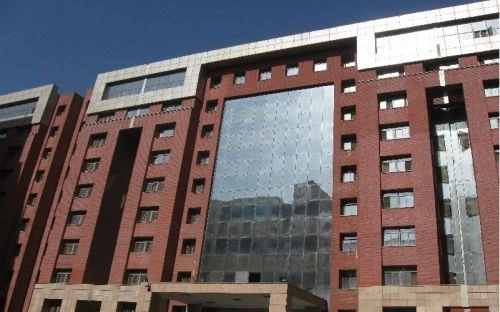

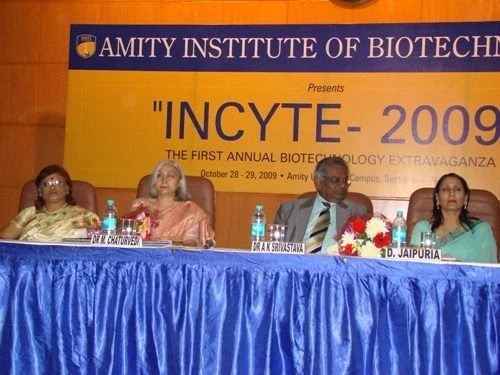
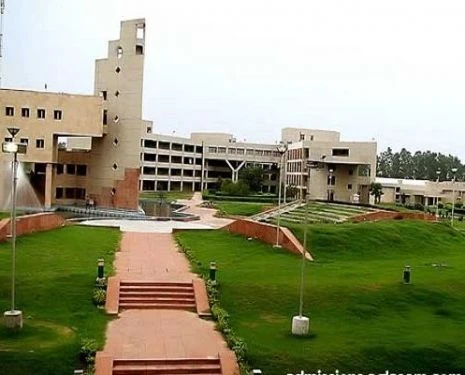
In this preview: 5 photos · 0 videos
NIFT is generally preferred for its brand value and lower fees. However, ASFT is considered a top private alternative for those who don't clear NIFT or want better infrastructure and a broader "university" experience.
The 75% attendance rule at ASFT is extremely strict and is a common complaint among students. Debarment from exams is a real risk for not meeting the requirement.
Placements at ASFT are decent for roles in retail and merchandising. However, securing pure "Design" roles is competitive and often requires students to leverage their personal portfolios beyond campus recruitment.
The B.Des (3 Continent) program involves mandatory semesters studying in the UK and USA, offering global exposure. This comes at a significantly higher cost compared to the standard B.Des program.
No, ASFT does not offer direct admission. All candidates must pass the Creative Test and Interview. However, high board marks (90% and above) may fast-track the process or help secure scholarships.
About ASFT.
Colleges cannot rewrite published reviews. We remove spam and abuse.
Ask the communityWhat should future students know?
Tell us which course you're considering. We'll help you work out the next step.
Get instant Partner access after mobile verification. Your public edits are reviewed before they go live.
Claim this collegeProgramme information: Official source · Source as of: 2026-11-01
Programme information: Official source · Source as of: 2026-11-01
Programme information: Official source · Source as of: 2026-11-01
Programme information: Official source · Source as of: 2026-11-01
Programme information: Official source · Source as of: 2026-11-01
Each route applies only to this named programme and the stated year.
CAT: Common Admission Test · 2026-27
Admission-route evidence: Official source · Source as of: 2026-11-01
CMAT: Common Management Admission Test · 2026-27
Admission-route evidence: Official source · Source as of: 2026-11-01
GMAT: Graduate Management Admission Test · 2026-27
Admission-route evidence: Official source · Source as of: 2026-11-01
MAT: Management Aptitude Test · 2026-27
Admission-route evidence: Official source · Source as of: 2026-11-01
NMAT: by GMAC · 2026-27
Admission-route evidence: Official source · Source as of: 2026-11-01
XAT: Xavier Aptitude Test · 2026-27
Admission-route evidence: Official source · Source as of: 2026-11-01
Programme information: Official source · Source as of: 2026-11-01
6 recorded programmes · 1 institution. Admission years and conditions apply to the named programme.

 Auditorium
 Cafeteria
 Computer Labs
 Gym
 Hostel
 Medical
 Science Labs
 Sports Complex
 Study Library