Loading Admission Guardian content
Loading Admission Guardian content

Explore the available options or ask for admission guidance.
Explore the available options or ask for admission guidance.
IIITDM Jabalpur is a public Institute of National Importance in Dumna, Jabalpur, focused on information technology, design and manufacturing. Its choice is not just about an engineering branch: applicants should compare distinct BTech and BDes routes, the 2026-batch fee schedules, programme-group placement evidence, and the practical trade-offs of a fully residential campus. The latest notices reviewed here mostly describe 2026-27 or earlier cycles. They help explain the institute, but do not establish 2027-28 dates, fees or admission thresholds.
Pandit Dwarka Prasad Mishra Indian Institute of Information Technology, Design and Manufacturing Jabalpur is commonly called PDPM IIITDM Jabalpur. The institute’s RTI disclosure records its establishment in 2005 and the later transfer of land near Dumna Airport; the Indian Institutes of Information Technology Act, 2014 provides its statutory framework and Institute of National Importance status. The institute’s academic identity joins computing with design and manufacturing rather than offering only a broad engineering catalogue. Its current departments include Computer Science and Engineering, Electronics and Communication Engineering, Mechanical Engineering, Smart Manufacturing, Design, Natural Sciences and Liberal Arts. The mix matters because the institute has undergraduate design degrees alongside engineering, and postgraduate and doctoral study across several of these areas.
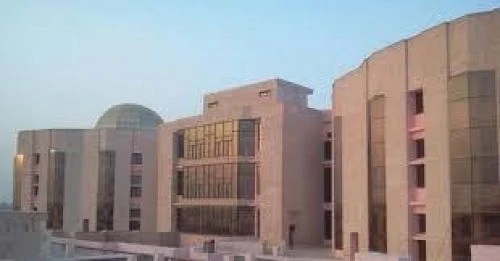
The institute is at Dumna Airport Road in Jabalpur, Madhya Pradesh. Its official pages describe a fully residential campus, with hostels and student services on site. That arrangement can suit students who prefer a campus-centred routine. It also means that hostel allotment, mess arrangements, transport and the time required to reach city services are practical questions to resolve before joining. The public information reviewed confirms the institute’s location and residential model; it does not substantiate informal claims about campus isolation, wildlife encounters, or travel times, so applicants should check the current bus timetable and map for their own route.
For undergraduate applicants, the institute lists BTech in Computer Science and Engineering, Electronics and Communication Engineering, Mechanical Engineering and Smart Manufacturing, along with BDes. These programmes do not have interchangeable curricula or career paths. CSE and ECE are computing and electronics degrees; Mechanical Engineering has a conventional mechanical foundation; Smart Manufacturing is a distinct engineering programme; BDes follows a design curriculum and a separate admission route. Choosing by a single placement number or by the institute’s name can hide those differences. Read the programme curriculum and compare the work you want to do with the course structure before ordering counselling choices.
The institute also lists MTech and MDes programmes, PhD programmes and integrated or part-time research pathways. The programme list is broader than the BTech/BDes options, but eligibility and admission mechanisms vary by degree and department. MTech applicants should use the applicable GATE and CCMT notices for the relevant cycle; MDes and PhD applicants should read the institute’s department-specific advertisements and any linked examination or interview requirements. A department’s presence in the catalogue does not mean that it recruits in every semester or offers every specialisation in every year.
For BTech, the institute’s general admission information identifies JEE Main as the entrance examination. Its 2026-27 undergraduate reporting page names JoSAA and CSAB among the admission channels for new students. Applicants therefore need to follow both the examination rules and the applicable seat-allocation process: qualifying for JEE Main does not itself allot an institute seat. Check the current JEE Main information brochure for eligibility, then the current JoSAA or CSAB schedule for choice filling, allotment, fee payment and reporting instructions. The institute’s general eligibility page states the required Class 12 subject combination but directs students to the examination brochure for the full criteria; do not assume that a familiar percentage rule applies unless the current responsible authority states it.
BDes has a separate route through UCEED. The institute’s 2026-27 reporting information lists UCEED, and the institute has also issued a BDes spot-round notice for that cycle. That notice’s cut-off and waitlist conditions belong to that particular round. A UCEED score or BDes spot-round threshold is not comparable to a JEE Main rank in JoSAA. Check the next UCEED brochure and institute notice for the application, seat-allocation and any spot-round process.
Postgraduate admissions should be checked programme by programme. The institute names CCMT for MTech counselling in its recent student information, while MDes and PhD pages use their own routes and notices. The institute’s winter 2026-27 PhD advertisement, for example, identified participating departments and a revised deadline for that session. Those dates do not create a standing annual calendar. Before applying, verify the exact department, degree, accepted examination or interview stages, application fee, documents and deadline in the notice for that intake.
For every route, treat older schedules as planning references only. The undergraduate reporting page lists previous-cycle dates and documents, including an admission or allotment letter, academic records, score card where relevant, certificates, fee receipts and medical-fitness documents. The institute said hostel allotment information would be posted separately for 2026-27 entrants. For a 2027-28 application, wait for the next official notices before relying on dates, category-document formats, seat availability, fee deadlines or accommodation allocation.
The institute’s fee page links 2026-batch schedules for BTech/BDes, MTech/MDes and PhD. These are the latest schedules reviewed for this guide, not a confirmed 2027-28 quote. The schedules label semester charges as per-semester amounts and use different programme and category columns. Applicants should read the actual BTech/BDes 2026-batch table that matches their degree and admission category rather than carrying one total across all programmes.
For the 2026 BTech/BDes schedule, the one-time admission total is ₹15,500 in both displayed category columns and includes a refundable caution amount. The academic-fee line is ₹7,500 per semester, split across gymkhana, examination, registration, medical insurance plus PHC, and internet/computer charges. Tuition and hostel charges appear on separate lines. The fee article records the schedule’s category-specific tuition and hostel amounts, while separately distinguishing mess advance and other adjustments; those recurring amounts should be checked against the actual fee table before budgeting. Do not turn the admission-time one-off amount into an annual fee or combine charges from a different schedule.
Hostel and mess costs are especially important because the institute describes itself as fully residential. The fee schedule, hostel allotment notice and mess information answer different questions: an institute fee table may state a hostel charge without specifying room assignment, service quality or current mess costs. Ask the institute which hostel and room type is available to your batch, what the current mess advance covers, which payments are refundable, and when charges are due. A 2026-batch schedule cannot establish what a 2027 entrant will pay.
The latest comparable placement evidence used here is the institute’s submission to NIRF 2025, whose outcome tables cover years through 2023-24. It reports four-year undergraduate programmes as one group and two-year postgraduate programmes as another. The figures are not branch-specific: they cannot be relabelled as CSE, ECE, Mechanical, Smart Manufacturing, BDes or a particular campus offer cohort unless a source reports those scopes separately.
In the four-year UG group, the NIRF table reports 293 graduates in minimum stipulated time and 236 placed for 2021-22; 364 graduates and 281 placed for 2022-23; and 509 graduates and 365 placed for 2023-24. Dividing placed students by graduates in minimum time gives approximate shares of 80.5%, 77.2% and 71.7%, respectively. Those percentages are calculations from the reported counts, not percentages printed in the table. The number placed increased across the period, while the calculated share declined as the graduating cohort grew. This is useful context, but the source does not say that every graduate sought a job or that all placements were campus offers.
For the PG two-year group, NIRF reports 77 graduates and 64 placed in 2021-22; 85 and 66 in 2022-23; and 130 and 112 in 2023-24. The table also reports median salary of placed graduates and students selected for higher studies. Keep these programme-group metrics separate from any department dashboard: differences in cohort size, reporting period and denominator can change the apparent result. Median salary is not the same as the highest package or mean salary. No past cohort result guarantees an individual offer or a future salary.
When comparing branches, ask for the branch-specific cohort, eligible and participating counts, placed count, definition of placement rate, median and mean salary, and higher-study numbers. Treat a recruiter list or one high package as evidence of examples, not as a representative forecast. The institute’s submitted NIRF data and any current placement cell report should be read with their year and cohort attached.
The latest published NIRF Engineering result verified for this guide is the 2025 edition. It places IIITDM Jabalpur in the 101-150 band, the same published band as the 2024 Engineering result. NIRF’s band listing does not disclose an exact within-band rank or score. This is an institute-level Engineering category result, not a rank for a branch, BDes, a specific degree or the Jabalpur campus in another NIRF category.
NIRF’s 2025 Engineering framework weights Teaching, Learning and Resources at 30%, Research and Professional Practice at 30%, Graduation Outcomes at 20%, Outreach and Inclusivity at 10%, and Perception at 10%. The framework helps explain what the category measures; it does not establish that a particular student will have a particular classroom or placement experience. Use the ranking as one comparison point alongside programme fit, fee schedule, admissions competition and cohort-specific outcomes. Do not infer an exact position within the band or describe it as a rank rise when two editions remain in the same band.
The institute lists six hostels and says students are required to reside on campus. Its hostel page describes a central mess managed by wardens and a student committee, and lists amenities including Wi-Fi, a cafeteria, reading room, gymnasium, outdoor stadium, indoor games, printing and photocopying, campus bus service and a 24/7 ambulance facility. The Primary Health Centre roster includes several medical specialties and a counsellor. The Computer Centre describes internet, email, computation services and a centralised lab, with the campus network extending to hostels. A student-maintained virtual tour names labs, classrooms, library and sports areas. These sources establish that the facilities are listed, not their current opening hours, condition, availability, accessibility or service quality. Confirm the current arrangements with the institute.
The institute’s scholarship page links institute and government schemes, but the latest detailed MCM and single-parent notice reviewed for this work is from 2024-25. Its criteria, amounts and deadlines are historical. A separate PhD circular is dated 2026, and external scholarships have their own category, domicile, income and verification rules. Do not include an older award in a 2027-28 budget until the current notice confirms eligibility, amount, renewal terms and whether tuition, hostel or mess charges are covered. Ask the scholarship office what support applies to your programme and batch.
IIITDM Jabalpur is worth comparing if you want one of its specific engineering or design programmes and are comfortable with its separate admission routes and residential model. BTech applicants should compare JEE Main/JoSAA outcomes by branch and seat category; BDes applicants should focus on UCEED and the institute’s own notices. Postgraduate applicants need to verify departmental intake rather than assume that all listed programmes recruit each cycle. For cost, compare the exact programme schedule and include hostel and mess questions. For outcomes, prefer the cohort and denominator that match the degree you are considering.
The strongest decision is not a generic claim that the institute is a good or poor choice. It is a comparison between the programme you want, the admission route you can use, the previous-cycle evidence and the current cost you can confirm. Before locking choices or paying fees, verify the next academic-year notices, ask the institute about allotment and services that are not specified online, and keep historical ranking, placement, fee and scholarship figures attached to their source years.
Selected ranking categories, with the recorded year beside each result. Open all records for the complete history.
17 published records · Lower numeric ranks are stronger
NIRF
B.Tech
#752019
IIRF
Design · public
#82022
IIRF
Engineering · public
#302025
IIRF
B.Tech · public
#482022
Find a program, read its fee details and explore the admission requirements.
Summary of the programs shown below. First-year fee
| Course | Stream | Fees |
|---|---|---|
| Ph.D | Engineering | 71700 |
| Master of Technology [M.Tech] | Engineering | 150500 |
| Bachelor of Design [B.Des] | Design | 158940 |
| Bachelor of Technology [B.Tech] | Engineering | 158940 |
| Master of Design [M.Des] | Design |
Specializations
Eligibility: Pass in Post Graduation + GATE
Specializations
All accepted exams
Eligibility: Pass in Graduation + GATE
All accepted exams
Eligibility: 10+2
Specializations
All accepted exams
Eligibility: 10+2 with 75% + JEE Main
All accepted exams
Eligibility: Graduation with 55% + CEED
4 exams with cutoff data available - showing recent entries
 AllGo Embedded Systems
 Amazon
 Bharat Oman Refinery
 Brahmos Aerospace
 Capgemini
 Compro Technology
 Coviam Technologies
 Deltax
 Elucidata
 Ericsson India Pvt Ltd
 Ernst & Young
 Evalueserve
 Global Logic
 HDFC Bank
 IBM
 Infosys
 Josh Tech
 Larsen & Toubro Ltd.
 MAQ Software
 Miles Software Solutions Pvt. Ltd.
 MyAnatomy
 Oracle
 Pubmatic
 Quantiphi Analytics
 Reliance Industries Limited [RIL]
 Saint-Gobain
 Samsung
 Sasken Communications
 SBI Life Insurance
 SBI Mutual Funds
 Sigmoid
 Tata Consultancy Services
 Vassar Labs
 Zolostays Property Solutions Private Limited
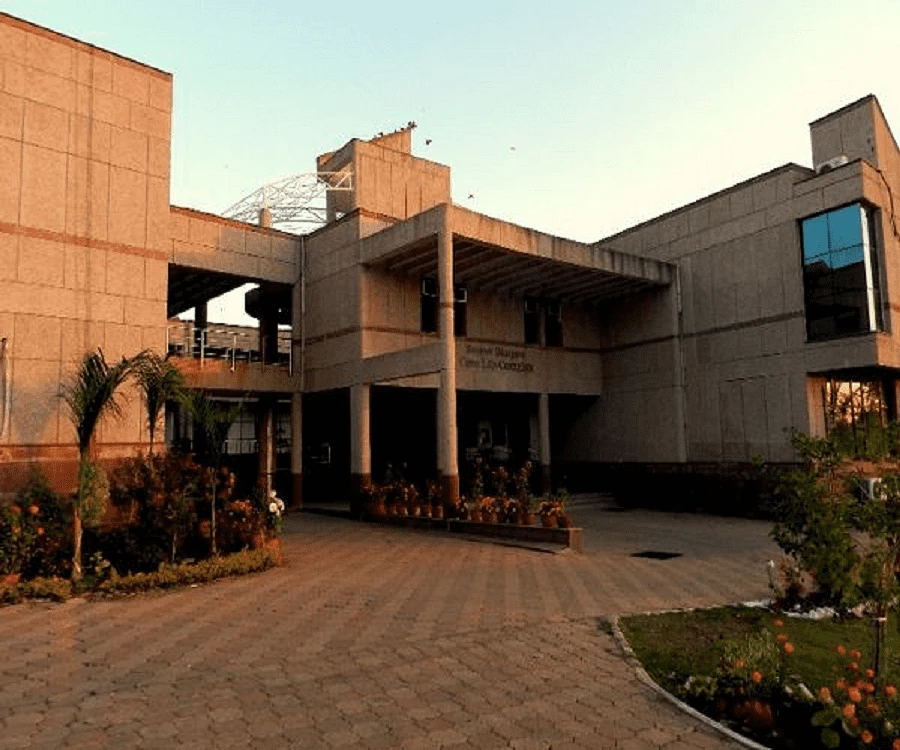
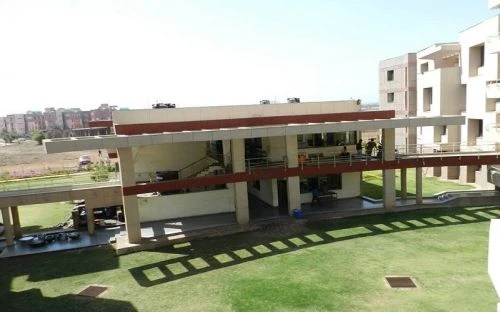
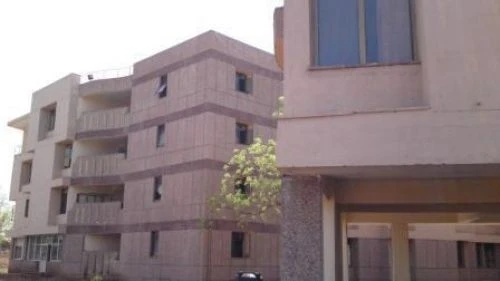
In this preview: 5 photos · 0 videos
Yes, IIITDM Jabalpur is considered a Tier-1.5/Tier-2 institute for CSE. It is known for a very strong coding culture and reports an average placement package exceeding 25 LPA.
Smart Manufacturing is a specialized branch that blends Mechanical Engineering and Computer Science, focusing on Industry 4.0 concepts. While its placement packages are typically lower than CSE, it is considered a future-ready branch with growing demand in the field of automation.
IIIT Gwalior is generally ranked higher and has a more established reputation. However, IIITDM Jabalpur is often preferred for its specific focus on "Design" and its modern campus infrastructure.
The institute has dedicated and secure hostels for girls with good facilities. The campus is generally considered safe, though its remote location can limit opportunities for late-night travel to the city.
Yes, snake sightings are common on campus due to its proximity to the Dumna Nature Reserve. The institute conducts regular cleaning and has established emergency protocols to manage such situations.
About Pt. Dwarka Prasad Mishra Indian Institute of Information Technology, Design & Manufacture Jabalpur.
Colleges cannot rewrite published reviews. We remove spam and abuse.
Ask the communityWhat should future students know?
Tell us which course you're considering. We'll help you work out the next step.
Get instant Partner access after mobile verification. Your public edits are reviewed before they go live.
Claim this college
 Auditorium
 Cafeteria
 Computer Labs
 Hostel
 Medical
 Science Labs
 Sports Complex
 Study Library