NIFTEE admission is for NIFT campuses, not every design college
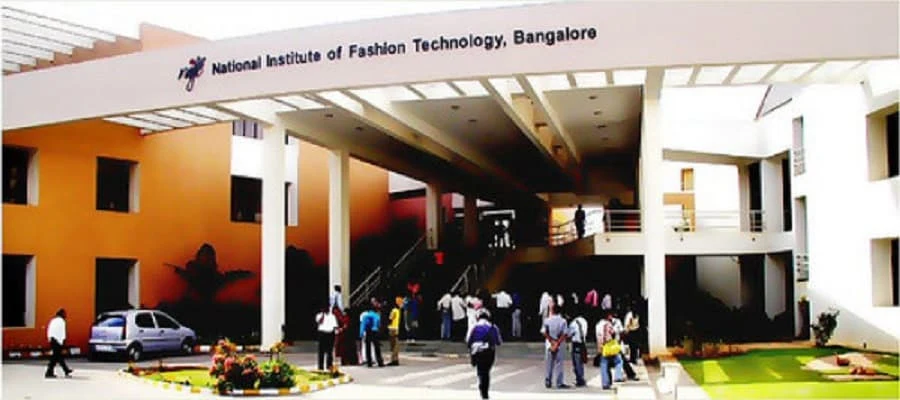
NIFTEE is the entrance examination for programmes offered by the National Institute of Fashion Technology. It is not a common entrance score accepted automatically by unrelated design colleges. The NIFT Admissions page for 2027-28 displays 20 campuses, and the official campus directory names Bengaluru, Bhopal, Bhubaneswar, Chennai, Daman, Gandhinagar, Hyderabad, Jodhpur, Kangra, Kannur, Kolkata, Mumbai, New Delhi, Panchkula, Patna, Raebareli, Raipur, Shillong, Srinagar and Varanasi. Check the current NIFT campus directory for campus pages and the Admissions page for the 2027 prospectus and seat-allocation notices.
A campus being part of NIFT does not mean it offers every course or route. The 2027 prospectus seat matrix is the source to use for programme-by-campus availability. Review it by course before creating a preference list: BDes specialisations, BFTech, MDes, MFM and MFTech may appear in different campus combinations, and some routes have separate seat rules. The admissions page advertises 12 programmes across design, technology and management; use the prospectus rather than inferring a campus offering from a general programme page.
Match your programme to an actual seat row
The entrance result and campus choice operate at different levels. The exam score contributes to the applicable programme merit process, while the seat matrix tells you which campuses have seats in that programme. For BDes, candidates may select among the BDes specialisations and available campuses. BFTech has its own eligibility and GAT sections. Postgraduate courses require the relevant prior degree and use distinct stage combinations. A rank for one course is not a general pass that can be transferred to another programme.
Before counselling, make a table with one row for each combination you would genuinely accept: programme, campus, category or pool if applicable, seat count in the current prospectus and any route restriction. Confirm that you meet eligibility for each row. If you are qualified for a dual-programme option such as BFTech plus BDes, read the bulletin’s separate-rank rules and do not assume that a single merit list covers both selections. International, artisan, NLEA and PhD admissions can use separate calendars or selection methods; check the route-specific notice instead of applying the regular UG/PG process to every applicant.
The official campus list and its current-count conflict
The current campus directory and 2027-28 admissions card list 20 campuses. The same admissions page retains an older narrative paragraph stating 19 professionally managed campuses. For current choice planning, the 20-campus directory and 2027 prospectus seat table are more directly tied to the active admissions edition; the older paragraph should not be used to remove a campus from your search. This is a page-level inconsistency, so verify that each campus you intend to select appears in the current matrix and is open for your specific course.
Campus choice also has practical consequences beyond the name. Compare location, travel, accommodation availability, local costs and the programme’s academic focus using official campus micro-sites and prospectus information. Do not infer that every campus has identical facilities or hostel availability. Use campus pages for local details and the current fee circular for amounts; the exam application fee is not the cost of study. The 2026-27 academic fee circular is a separate historical publication and should not be presented as the 2027-28 amount without a verified current schedule.
How seat availability changes during admission
The prospectus matrix is the planned seat availability for the cycle; later counselling notices govern actual allocation and any changes. A listed seat is not a guarantee that it will remain open through a particular round. Candidate choices, category eligibility, merit and previous allotments affect what is available when a round is run. Follow the live NIFT e-counselling portal and read the round-specific instructions before locking choices or paying an acceptance amount.
Do not compare campus “cutoffs” unless the records use the same programme, year, category, round and rank label. A closing rank for one campus and course can differ from a row for another campus even within the same round. If you are evaluating a past year, label it as historical and confirm the rank basis. NIFT’s result, seat allocation notices and prospectus are stronger evidence than a third-party list that merges courses or rounds.
The practical next step is to download the 2027 prospectus from NIFT’s Admissions page, filter the seat matrix to your eligible programme, and rank the campus-course combinations by genuine preference. Recheck the official page for corrections before counselling. NIFTEE’s score is relevant to NIFT admission; it does not by itself establish acceptance at another college or secure a seat at any particular NIFT campus.
Use the campus directory for location and official micro-site links, then use the prospectus seat matrix for course availability; these sources answer different questions. The directory shows the institution’s network, while the matrix is admission-year and programme-specific. A campus page may also contain local notices, but the national counselling notice controls seat choice and allotment. Keep your shortlist small enough to verify each row instead of relying on a third-party “top NIFT campuses” ranking.