JAM 2026 scores were used for postgraduate admission at 23 IITs through the coordinated JAM admission process, while other result-sharing institutes ran separate application routes. The right college list is therefore the one whose programme accepts your JAM paper and whose eligibility requirements match your degree, not simply every institution that mentions JAM. The official 2026 admitting-institute page lists 23 IITs and describes about 3,000 seats across 105 programmes for academic year 2026-27. Those are historical cycle figures, not a forecast for 2027.
IITs in the coordinated JAM admission route
The JAM 2026 admission-specific list names these 23 participating IITs: Bhilai, Bhubaneswar, Bombay, Delhi, (ISM) Dhanbad, Dharwad, Gandhinagar, Goa, Guwahati, Hyderabad, Indore, Jammu, Jodhpur, Kanpur, Kharagpur, Madras, Mandi, Palakkad, Patna, Roorkee, Ropar, Tirupati and (BHU) Varanasi. The official admitting-institutes page links each institute's website and provides admissions contact details. Use those links to check the programme page and its current department notice before treating an institute as an option.
For the 2026-27 cycle, the same page says there were around 3,000 seats in 105 postgraduate programmes across 23 IITs. The site’s general About JAM page, however, says 89 programmes across 22 IITs and lists 22 names, omitting IIT Goa. The admission-specific list is the more direct source for that year's application route, but the public pages do not reconcile their counts. Do not use either figure as a permanent total or assume the discrepancy means a programme was unavailable. For a choice, the programme table in the cycle’s admission brochure and the admitting institute’s own page are more useful than a headline count.
A participating IIT is not an automatic match
JAM 2026 offered seven test papers: Biotechnology (BT), Chemistry (CY), Economics (EN), Geology (GG), Mathematics (MA), Mathematical Statistics (MS) and Physics (PH). Each postgraduate programme specifies which paper score it considers and its own Eligibility Requirements (ER) and Minimum Educational Qualifications (MEQ). A candidate may be eligible for one programme at an IIT and ineligible for another at the same institute. The relevant paper, All India Rank, category/reservation rules, programme preferences and seat availability all affect admission consideration.
Qualifying JAM does not guarantee a seat. The admission-specific page says candidates in the merit list could apply through JOAPS, subject to ER, MEQ and other requirements. Before adding a programme to a preference list, compare its undergraduate subject or degree requirements with your transcript, then check the required JAM paper and category-specific seat information in the official brochure. If your degree is in its final year, also check when the admitting institute requires proof of completion. Institute-specific rules can change, so the programme page remains the authority for a particular offer.
How the coordinated route worked in 2026
For JAM Admitting Institutes, IIT Bombay coordinated the application and seat-allocation process. Qualified candidates used the JAM Online Application Processing System (JOAPS) to submit the admission form and programme preferences. The official About page explains the split: the organizing institute coordinates only the Admitting Institutes; candidates seeking admission at Result Sharing Institutes must approach the relevant institute or admission body directly.
This distinction changes what to do after results. For an IIT programme in the coordinated list, follow the JAM admission portal, preference instructions, offer rounds and deadlines. For a non-IIT institution that uses JAM scores, find the institution’s separate application page and verify whether it uses a central counselling body. Do not assume a JOAPS preference covers both routes.
Other institutes that used JAM results
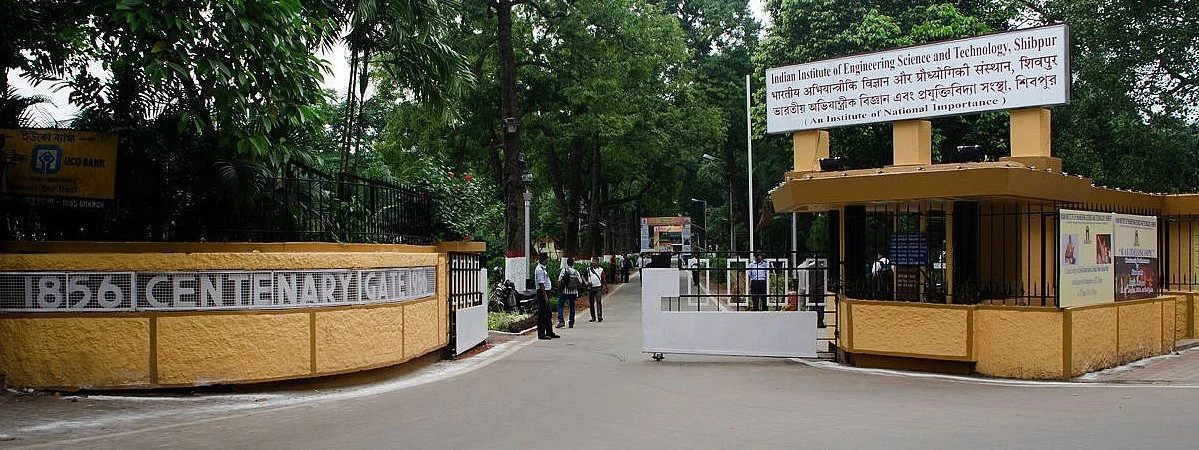
The official JAM 2026 Result Sharing Institutes page names postgraduate programmes at participating NITs, IIEST Shibpur, SLIET and DIAT through Centralized Counseling for M.Sc./M.Sc. (Tech.) Admissions (CCMN). It also identifies IISc, IIPE Visakhapatnam, IISER Bhopal, IACS Kolkata and RGIPT among other institutes using JAM 2026 results. That list is a route lead, not a universal promise that every listed institute accepts every JAM paper or offers a programme in every subject.
The page directs candidates to obtain programme details and admission instructions from the relevant institution. Check the current CCMN information brochure for its participating institutes, paper-to-programme mapping, eligibility and choice-filling steps. For institutions outside that route, visit the institute’s own admissions site. Confirm the score year, application window, accepted paper, degree prerequisites and whether an additional form, interview or selection step applies. The JAM 2026 IIT page’s statement that IIT admissions use the score without another interview or written test applies to its specified IIT route; it should not be extended to separate institutions.
A practical way to shortlist
Start with the JAM paper you took, then search the cycle-specific programme table for programmes that accept that paper. Filter again by MEQ and ER, including required undergraduate subjects, minimum credits or degree combinations. Next, separate the programmes into coordinated IIT choices and independent/result-sharing applications. For every shortlisted option, save the official programme link and note its admission year, required documents, category rules, number of seats if published, form route and deadline. If a detail appears only in an older brochure, mark it as historical and wait for the next official notice before acting.
The 2026 brochure and website are useful for understanding how the system worked, but this research did not verify a JAM 2027 programme table or admission calendar. IIT Bombay’s current index displayed a JAM 2027 heading, but no detailed bulletin was opened. Do not infer which institutes or courses will participate in a later cycle from that heading. When a new cycle’s brochure appears, compare its programme list and rules with the institute’s own current admissions page before paying fees or submitting a preference.